Explainer
How do steel toe boots work?
Published
Short answer
A steel toe boot has a dome-shaped steel cap built into the toe box between the lining and the outer leather. When something falls on or rolls over the toe, the cap takes the load and spreads it into the sole, leaving a pocket of space for your toes. Boots sold for work are tested to ASTM F2413, which requires the cap to survive a 75 foot-pound impact and a 2,500 pound compression load with clearance left inside.
Boots for this job
All 7 picks compared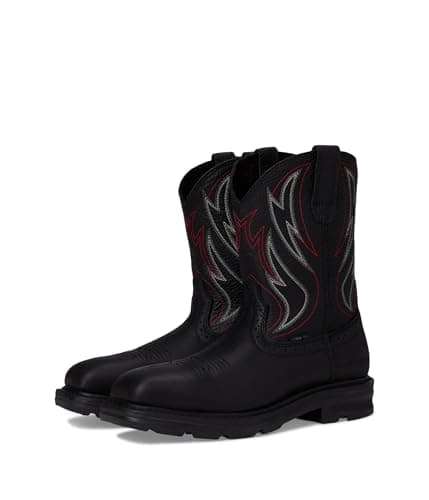
Ariat Sierra Shock Shield 10" steel toe, Goodyear welt
See price on AmazonSee it on Amazon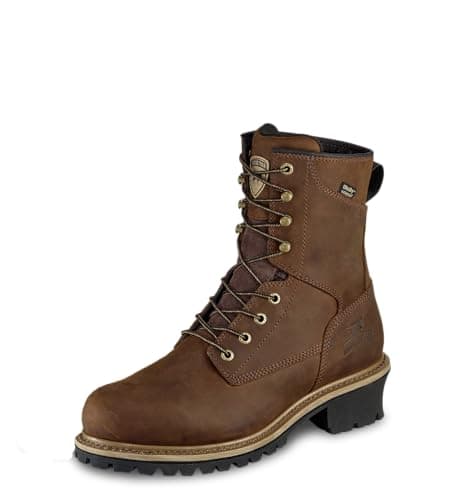
Irish Setter Mesabi 8" steel toe logger, 475F sole
See price on AmazonSee it on Amazon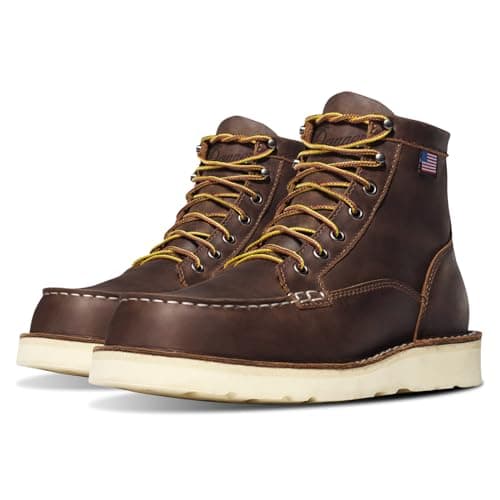
Danner Bull Run 6" steel toe, recraftable stitch-down
See price on AmazonSee it on Amazon
Steel toe boots are the default safety footwear on many US job sites, but few people know what the cap actually does or what the numbers on the label mean. This page explains how the cap is built into the boot, what it is tested against, what it does not protect, and why people wear them. It is for new hires, apprentices and anyone deciding between steel and the lighter composite or alloy options. If you want to shop right away, start with our best steel toe work boots guide.
What a steel toe cap is and where it sits
The cap is a curved shell of steel shaped to cover the toes from the front and top. It is lasted into the boot during construction, so it sits under the outer leather and over the toe lining. You usually cannot see it, but you can feel it as a hard, rigid toe when you press on the boot. The back edge of the cap ends around the joint where your toes meet the ball of the foot.
The cap does not work alone. It rests on the insole board and sole unit, so a load pressing down on the cap is carried into the sole and the ground rather than into your toes. That is why fit matters: your toes need to sit behind and under the cap, with a little room in front, not jammed against its back edge.
- 1Upper: leather or synthetic shell and lacing
- 2Toe cap: steel, alloy or composite
- 3Metatarsal guard zone: top of the foot behind the cap
- 4Insole: the footbed under your foot
- 5Midsole: cushioning and structure
- 6Shank: stiffens the arch for ladders and pegs
- 7Puncture plate: in PR rated boots
- 8Welt: strip the sole is stitched to
- 9Outsole: the tread, where EH and slip ratings live
- 10Heel: defined heel for climbing
What the cap is tested against
Boots sold as safety toe footwear in the US are tested to ASTM F2413. Two tests define the cap. The impact test drops a weight onto the toe area with an energy of 75 foot-pounds. The compression test squeezes the toe area to 2,500 pounds of force. After each test, the inside of the toe box must still have a minimum clearance, so the cap may dent but must not collapse onto the toes. A passing boot is marked I/75 and C/75 on its label.
Those are tests of the cap, not a promise about any accident. A heavier load, a sharper edge, or a hit from the side or top of the foot outside the cap can still cause injury. For the full label, see ASTM F2413 markings explained.
What it protects
- Answer
- The toes, from falling and rolling objects and crushing loads
Rated for
- Answer
- 75 foot-pound impact and 2,500 lbf compression under ASTM F2413
What it does not cover
- Answer
- The top of the foot (needs Mt), the sole (needs PR), electrical shock (needs EH)
Trade-offs
- Answer
- Heavier than composite, conducts cold, sets off metal detectors
| Question | Answer |
|---|---|
| What it protects | The toes, from falling and rolling objects and crushing loads |
| Rated for | 75 foot-pound impact and 2,500 lbf compression under ASTM F2413 |
| What it does not cover | The top of the foot (needs Mt), the sole (needs PR), electrical shock (needs EH) |
| Trade-offs | Heavier than composite, conducts cold, sets off metal detectors |
What steel toe boots are used for
OSHA's foot protection rule, 29 CFR 1910.136, requires protective footwear where there is a danger of foot injuries from falling or rolling objects, objects piercing the sole, or electrical hazards. In practice that covers construction, warehouses with forklifts and pallet jacks, manufacturing, shipping and receiving, steel work, and many maintenance jobs. Employers decide where safety toes are required through a hazard assessment.
Steel is the most common cap material because it is strong, thin for its strength and inexpensive to produce. A thin wall lets the toe box stay reasonably low and sleek. If you work around metal detectors, in extreme cold, or want less weight, composite or aluminum alloy caps meet the same ASTM ratings. See composite toe vs steel toe and alloy toe vs steel toe.
Steel
Metalthin wall, heaviest
Alloy
Metalthin wall, lighter
Composite
Non-metalthicker wall, lighter
Myths about steel toe boots
The best-known myth is that a steel toe will cut your toes off under a heavy load. ASTM-rated caps are designed to stay in shape under the rated loads, and the clearance requirement exists to keep toes from being crushed. We cover this in detail in can steel toe boots cut off toes.
Another myth is that steel toe boots are always uncomfortable. Discomfort usually comes from the wrong length or width, so the back edge of the cap presses on the toes. A boot that fits well with work socks should not pinch at the cap. If yours does, read steel toe boots hurting toes and our guide to how work boots should fit.
How to tell if a boot really has a steel toe
When you need more than toe protection, look for the extra codes: EH for electrical work, PR for puncture hazards and Mt for heavy drops on the top of the foot. Our best metatarsal guard boots and best construction work boots guides sort boots by these features.
- Read the label under the tongue: it should show ASTM F2413 with I/75 and C/75.
- Check the listing for the cap material: steel, alloy or composite. The label alone does not say which.
- Press firmly on the toe: a safety cap feels rigid and does not flex.
- Be wary of boots that say "reinforced toe" or "work toe" without an ASTM rating. Those are not safety toe boots.
Frequently asked questions
Why wear steel toe boots if you are careful? Most toe injuries come from things outside your control, like a pallet jack wheel, a dropped load from a coworker or material shifting on a cart. The cap protects you when care is not enough, and many employers require it.
Are steel toe boots heavier? Generally yes. A steel cap usually weighs more than a composite cap of the same rating, though the sole and upper often add more weight than the cap does.
Do steel toe boots protect the whole foot? No. The cap covers the toes only. Metatarsal guards protect the top of the foot and puncture plates protect the bottom.
Should you replace steel toe boots after an impact? Yes, if the cap took a heavy hit. The ASTM tests are single-impact tests, and a cap that has absorbed a big load may not perform the same way again.
What you need for this
- See price on AmazonAmazon
Sierra Shock Shield 10 in. steel toe, unlined
From Best steel toe work boots ranked on fit, build and resoleability
 See price on AmazonAmazon
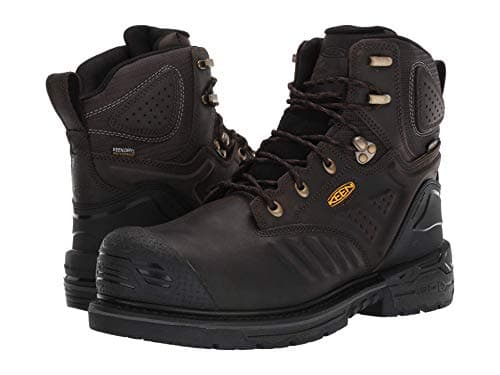
KEEN Utility Philadelphia 6-inch: carbon toe, 572 F outsole
 See price on AmazonAmazon
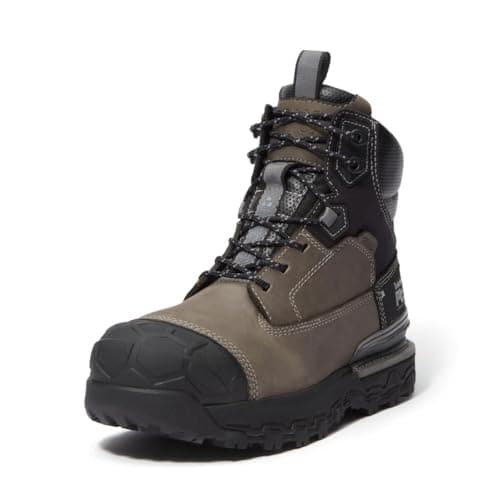
Timberland PRO Boondock Ultralight 6-inch: composite toe