How-to
How should work boots fit?
Published
Short answer
Work boots should be snug through the heel and midfoot, with about a thumb width of space in front of your longest toe and your toes able to wiggle without touching the safety cap. The widest part of your foot should sit at the widest part of the boot, and your heel should lift only slightly when you walk. Try them on later in the day with the socks and insoles you will wear at work.
Boots for this job
All 7 picks compared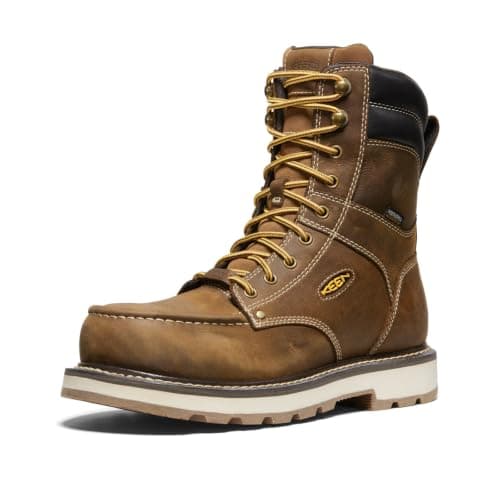
KEEN Utility Cincinnati 8-inch EE: asymmetrical carbon toe
See price on AmazonSee it on Amazon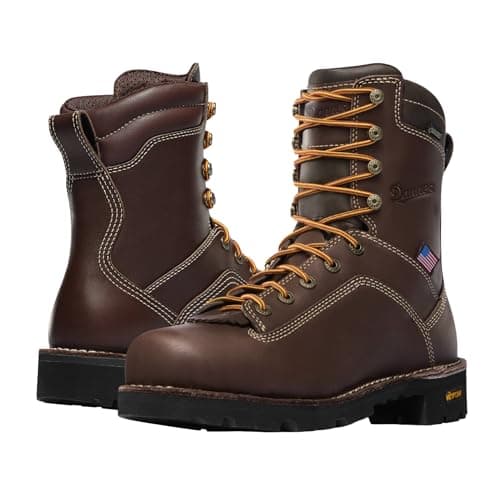
Danner Quarry USA 8-inch Wide: alloy toe, GORE-TEX
See price on AmazonSee it on Amazon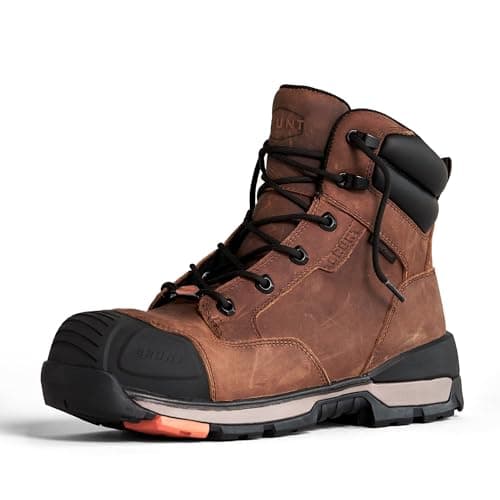
BRUNT Perkins: adjustable D to EE width, composite toe
See price on AmazonSee it on Amazon
Most work boot pain comes from fit, not from the boot being bad. This page gives a fit check you can do in a store or at home before you wear a new pair outside. It covers length, toe room under a steel or composite cap, width, heel slip, socks and insoles, plus what can and cannot change during break-in. If your current safety toes already hurt, see steel toe boots hurting toes.
What a good fit feels like
A well-fitting work boot holds your heel and midfoot firmly while leaving the toes free. You should be able to wiggle all your toes. Nothing should pinch across the top of the toes or the sides of the forefoot. When you walk, your heel may lift a little, especially in a stiff new boot, but it should not slide up and down noticeably.
Safety toe boots need a little extra attention because the cap does not stretch or soften. Leather around it can give slightly with wear, but the cap stays the same shape. If the cap touches your toes on day one, it will still touch them in six months.
- 1Toe room: about a thumb width ahead of the longest toe
- 2Toes clear the cap edge: no pressure when you stand or crouch
- 3Widest point at the ball: the ball of the foot sits where the boot is widest
- 4Minimal heel lift: a little lift is normal in new stiff boots
Before you try boots on
- Try boots on in the afternoon or after work, when feet are usually at their largest.
- Bring or wear the socks you work in. Thick boot socks can take up noticeable room.
- Bring any custom or aftermarket insoles you plan to use. See how to choose insoles for work boots.
- Know your size in a brand you already wear, and use the brand's own chart. See the work boot size chart.
- If you have one foot larger than the other, fit the larger foot.
Step-by-step fit check
- 1
Loosen the laces fully and slide your foot forward until your toes touch the front. You should fit roughly one finger behind your heel. Much more means the boot is too long; none means too short.
- 2
Kick your heel back into the heel cup and lace the boot snugly, firmest around the ankle.
- 3
Stand up. Press the toe area: you want about a thumb width, roughly half an inch, between your longest toe and the front of the boot.
- 4
Wiggle your toes. They should move freely and not rub the top or edges of the safety cap.
- 5
Check width. The ball of your foot should sit at the widest part of the boot without the sides bulging or pinching.
- 6
Walk on a hard floor and up stairs if possible. Your heel should lift only slightly.
- 7
Squat, kneel and rock up onto your toes. Watch for the cap edge pressing into the tops of your toes as the boot flexes.
- 8
Wear them around the house for an hour before taking them outside, so you can still return them if they hurt.
How steel toe boots should fit
The common question is whether to size up for steel toes. Most people wear their normal boot size in a safety toe boot. Size up only if your toes press the cap at your usual size, and then check that the heel still holds. Going up a size to clear the cap can create heel slip and make the flex point of the boot land in the wrong place, which causes its own pain.
Often the better fix is a different toe box or width, not a longer boot. Wide feet do better in a true wide width, such as EE or 4E, than in a longer standard width. Toe cap shapes also vary between brands and between steel, alloy and composite caps, so a boot that crowds you in one brand may fit fine in another. See should you size up in work boots and the work boot width chart.
Note.Never cut, heat or try to bend a safety toe cap to make it fit. That can destroy the protection the label promises.
What changes during break-in and what does not
Leather upper
- Changes with wear?
- Yes, softens and molds
- What that means
- Mild tightness across the instep often eases
Footbed and cork filler
- Changes with wear?
- Yes, molds to the foot
- What that means
- Welted boots often feel better after a few weeks
Ankle collar stiffness
- Changes with wear?
- Yes
- What that means
- Rubbing at the top usually eases
Safety toe cap
- Changes with wear?
- No
- What that means
- Toes touching the cap will not improve
Length
- Changes with wear?
- No
- What that means
- A short boot stays short
Heel slip
- Changes with wear?
- Often reduces a little
- What that means
- Large slip will not go away
| Area | Changes with wear? | What that means |
|---|---|---|
| Leather upper | Yes, softens and molds | Mild tightness across the instep often eases |
| Footbed and cork filler | Yes, molds to the foot | Welted boots often feel better after a few weeks |
| Ankle collar stiffness | Yes | Rubbing at the top usually eases |
| Safety toe cap | No | Toes touching the cap will not improve |
| Length | No | A short boot stays short |
| Heel slip | Often reduces a little | Large slip will not go away |
Common fit problems and what they mean
If you have wide feet, start with the best work boots for wide feet. If comfort over long shifts is the goal, see the most comfortable work boots.
- Toes hit the cap: too short, or a toe box too low for your toes. Try a half size up or a taller toe box.
- Pressure on the little toe: boot too narrow or cap shape too pointed. Try a wider width.
- Heel lifts a lot: boot too long or heel cup too wide. Try a half size down or use a heel-lock lacing.
- Top of foot pinches: high instep. Loosen the laces over the instep or try a boot with more instep volume.
- Arch pain: footbed does not match your arch. An insole may help.
Frequently asked questions
Should work boots be tight or loose? Snug in the heel and midfoot, roomy at the toes. Tight toes and loose heels are both signs of the wrong size.
How much room should be at the toe of a steel toe boot? About a thumb width, roughly half an inch, in front of your longest toe, and enough height that your toes do not touch the cap.
Should my heel slip in new work boots? A little slip is normal in a stiff new boot and often eases. Noticeable sliding usually means the boot is too long or too wide in the heel.
Do I need a half size bigger for thick socks? Sometimes. Fit the boot with the socks you will wear. If thick socks make your usual size tight, try a half size up or a wider width.
What you need for this
- See price on AmazonAmazon
KEEN Utility Cincinnati 8-inch EE: asymmetrical carbon toe
From Best work boots for wide feet: EE, 3E and wide-fit safety boots
 See price on AmazonAmazon
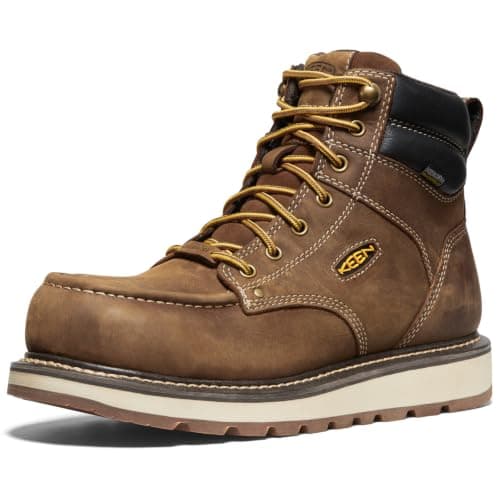
KEEN Utility Cincinnati 6-inch: carbon toe, Goodyear welt
From The most comfortable work boots, including safety toe picks
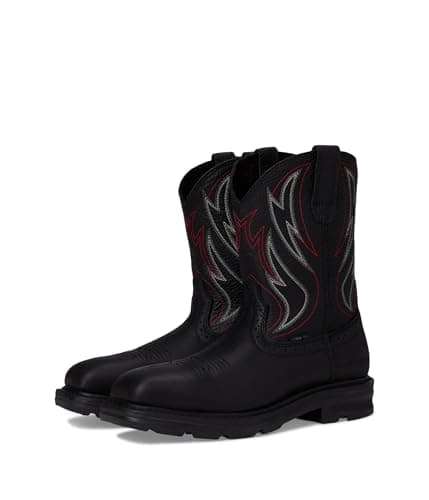 See price on AmazonAmazon
Sierra Shock Shield 10 in. steel toe, unlined
From Best steel toe work boots ranked on fit, build and resoleability