Fix
Steel toe boots hurting your toes? Causes and fixes
Published
Short answer
Steel toe boots usually hurt the toes because the boot is too short, too narrow, or the cap is too low for your toes, so they press against the hard cap edge. Because the cap itself cannot stretch, the real fixes are a different size, width or toe box shape. Thinner socks or insoles, lacing changes and cap pads can help with mild pressure, but they will not fix a boot that is simply too small.
Boots for this job
All 7 picks compared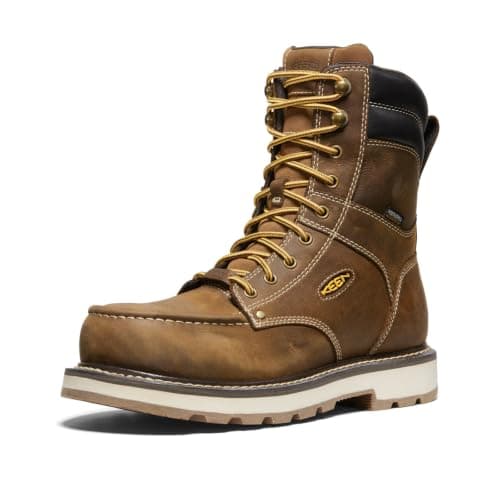
KEEN Utility Cincinnati 8-inch EE: asymmetrical carbon toe
See price on AmazonSee it on Amazon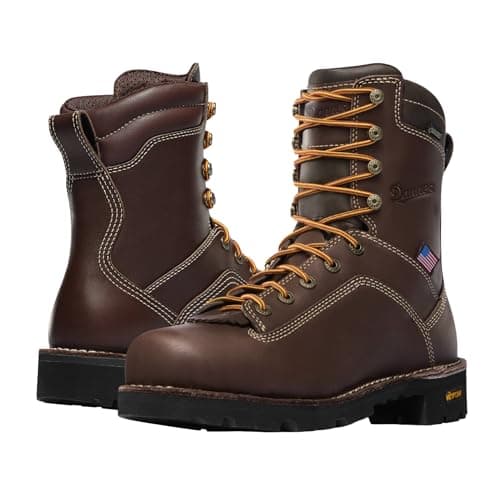
Danner Quarry USA 8-inch Wide: alloy toe, GORE-TEX
See price on AmazonSee it on Amazon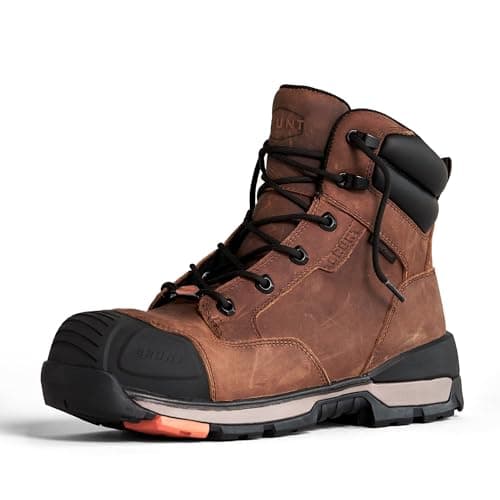
BRUNT Perkins: adjustable D to EE width, composite toe
See price on AmazonSee it on Amazon
A safety toe that hurts is one of the most common work boot complaints. The pain usually shows up as pressure on the top of the toes, rubbing on the little toe or big toe, or soreness where the cap edge sits when you bend your foot. This page helps you find which of these you have, explains what cannot be fixed by breaking in, and lists the changes that do work, from simple adjustments to choosing a different boot.
Why safety toes hurt when other boots do not
A soft toe boot gives a little as your toes push into it. A safety toe does not. The steel, alloy or composite cap is rigid by design, so any part of your foot that touches it takes the pressure all day. The cap also has a back edge, and when the boot flexes as you walk or kneel, that edge can press into the top of the toes or the joints at the base of the toes.
Do steel toe boots hurt your feet by nature? No. A safety toe in the right size, width and cap shape should not touch your toes at all. Pain is a fit signal, not something to tough out.
- 1Toe room: about a thumb width ahead of the longest toe
- 2Toes clear the cap edge: no pressure when you stand or crouch
- 3Widest point at the ball: the ball of the foot sits where the boot is widest
- 4Minimal heel lift: a little lift is normal in new stiff boots
Find the cause from where it hurts
Tips of toes
- Likely cause
- Boot too short
- First thing to try
- Half size up, check heel hold
Tops of toes or toenails
- Likely cause
- Cap too low for your toes
- First thing to try
- Boot with a taller toe box
Little toe or big toe sides
- Likely cause
- Boot or cap too narrow
- First thing to try
- Wider width or rounder cap
Crease across the toe joints when you bend
- Likely cause
- Cap edge or flex point in the wrong spot
- First thing to try
- Different size or last, cap pads
Whole forefoot by afternoon
- Likely cause
- Swelling, thick socks or a thick insole
- First thing to try
- Thinner sock or insole, refit later in the day
| Where it hurts | Likely cause | First thing to try |
|---|---|---|
| Tips of toes | Boot too short | Half size up, check heel hold |
| Tops of toes or toenails | Cap too low for your toes | Boot with a taller toe box |
| Little toe or big toe sides | Boot or cap too narrow | Wider width or rounder cap |
| Crease across the toe joints when you bend | Cap edge or flex point in the wrong spot | Different size or last, cap pads |
| Whole forefoot by afternoon | Swelling, thick socks or a thick insole | Thinner sock or insole, refit later in the day |
Fixes that work without new boots
- 1
Switch to thinner socks or a lower-volume insole, which can lower your foot slightly away from the cap.
- 2
Relace with a heel-lock at the top eyelets so your foot does not slide forward into the cap. See how to lace work boots.
- 3
Loosen the laces over the forefoot if the sides are squeezing while keeping the ankle snug.
- 4
Add a thin foam or gel toe cap pad under the cap edge if the edge is digging in. Check that it does not take up too much room.
- 5
Protect hot spots with moleskin or toe sleeves while you sort out the fit.
- 6
Give the leather time to soften if the pressure is from the upper, not the cap. See how to break in work boots.
Note.Do not cut, bend, heat or remove the safety toe cap. Doing so can destroy the protection, and a modified boot no longer matches its ASTM F2413 label.
What stretching can and cannot do
Leather around a safety toe can sometimes be stretched slightly in width by a cobbler, which helps if the leather of the upper is what pinches the sides of the foot. The cap itself will not stretch. If your toes touch the cap or the cap is too narrow, stretching the leather will not change that. How to stretch steel toe boots explains which areas a stretch can help.
If you are still in the return window and the toes touch the cap, returning or exchanging the boot is usually the right call.
When you need a different boot
If your toes touch the cap at rest, if the pain comes back every shift, or if you are losing toenails or getting numb toes, the boot does not fit. Look for these changes in the next pair:
- A wider width instead of a longer length if the pain is at the sides. See the best work boots for wide feet.
- A roomier toe box. Some brands and caps have a taller, rounder profile than others.
- A different cap type. Composite caps are thicker, while steel and alloy caps are thinner, so the inside room differs between models. Compare in person. See composite toe vs steel toe.
- The right length. Measure your foot again and use the brand chart. See the work boot size chart.
- A comfort-focused model. See the most comfortable work boots.
When to see a doctor
See a doctor or podiatrist if toe pain continues after you change boots, if you have numbness or tingling, if toenails turn dark or come loose, or if you have diabetes or circulation problems, where pressure sores can become serious. Persistent pain can also come from conditions such as bunions or hammertoes, which may need boots with a specific shape or other treatment.
Frequently asked questions
Will steel toe boots stop hurting after break-in? Pressure from stiff leather often eases. Pressure from the cap itself does not, because the cap does not change shape.
Should I size up in steel toe boots? Only if your toes touch the cap at your normal size. Check that the heel still holds. Often a wider width or a different toe box is the better fix. See should you size up in work boots.
Are composite toe boots more comfortable on the toes? Not automatically. Comfort depends on the inside shape and fit. Some people find a particular composite boot roomier, others find a steel boot roomier.
Can I put padding inside the steel toe? Thin toe cap pads are made for this and can help with edge pressure, but they take up room, so they work best when the boot is otherwise the right size.
What you need for this
- See price on AmazonAmazon
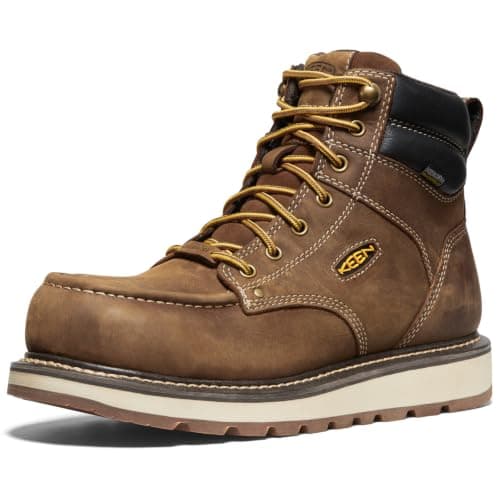
KEEN Utility Cincinnati 8-inch EE: asymmetrical carbon toe
From Best work boots for wide feet: EE, 3E and wide-fit safety boots
 See price on AmazonAmazon
KEEN Utility Cincinnati 6-inch: carbon toe, Goodyear welt
From The most comfortable work boots, including safety toe picks
 See price on AmazonAmazon
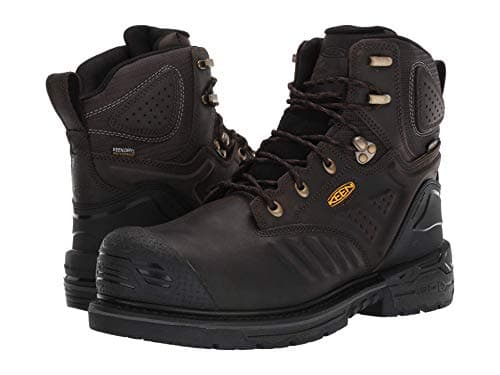
KEEN Utility Philadelphia 6-inch: carbon toe, 572 F outsole
 See price on AmazonAmazon
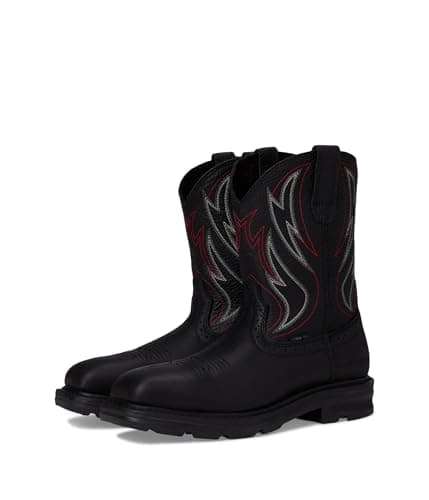
Sierra Shock Shield 10 in. steel toe, unlined
From Best steel toe work boots ranked on fit, build and resoleability