How-to
How to lace work boots for fit and support
Published
Short answer
Lace work boots snug through the foot and firm at the ankle, using the lacing to fix problems: a heel lock at the top eyelets to stop heel slip, window lacing to skip a pressure point on the top of the foot, and a surgeon's knot to hold different tension in the lower and upper laces. For lace length, measure your old lace or check the boot maker's spec, since length depends on eyelet count and shaft height.
Boots for this job
All 7 picks compared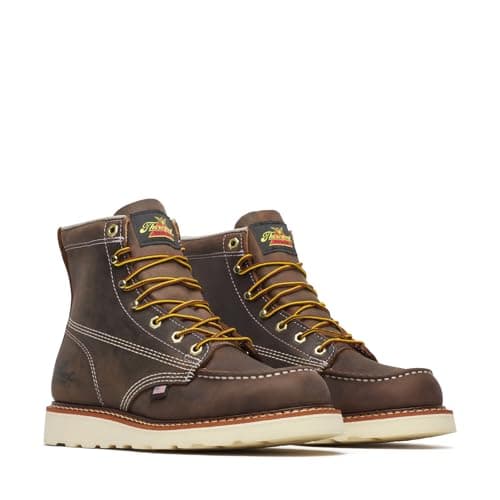
Thorogood American Heritage 6 in. moc toe, soft toe
See price on AmazonSee it on Amazon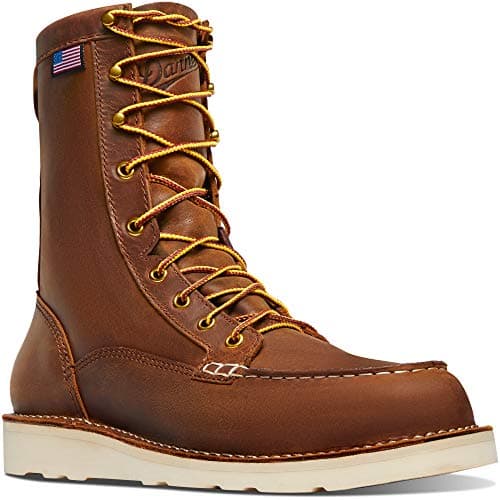
Danner Bull Run 8 in. steel toe moc, hot weather build
See price on AmazonSee it on Amazon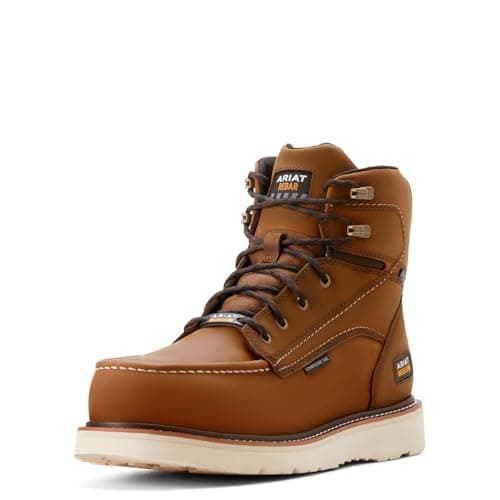
Ariat Rebar Wedge Moc Toe 6 in. composite toe, waterproof
See price on AmazonSee it on Amazon
Most people lace work boots the way they came out of the box and never think about it again. A few minutes of different lacing can stop heel slip, ease pressure on the top of the foot and keep laces from coming loose. This page is for anyone fitting new boots or fixing a nagging problem. We cover the basic criss-cross, the heel lock, window lacing, surgeon's knot, how to lace speed hooks, and how to choose replacement laces.
Start with a clean criss-cross
The standard criss-cross is the base for most methods. Lace from the bottom eyelets up, crossing over the tongue each time. Keep the tongue centered and flat as you go.
- 1
Loosen the laces all the way down so you can get your foot fully into the heel.
- 2
Kick your heel back against the ground so it seats in the heel pocket.
- 3
Tighten the laces one crossing at a time from the bottom up, pulling slack upward.
- 4
Keep the forefoot snug but not tight. You should be able to wiggle your toes.
- 5
Tighten firmer at the ankle hooks for support, then tie.
Heel lock for heel slip
A heel lock (also called a lace lock or runner's loop) pulls the top of the boot back around your ankle so your heel stays down. It is the most useful lacing fix for work boots.
Some heel slip in new, stiff boots is normal. If your heel lifts a lot even with a heel lock, the boot may be too long or too wide. See how work boots should fit.
- 1Toe room: about a thumb width ahead of the longest toe
- 2Toes clear the cap edge: no pressure when you stand or crouch
- 3Widest point at the ball: the ball of the foot sits where the boot is widest
- 4Minimal heel lift: a little lift is normal in new stiff boots
- 1
Lace normally up to the last eyelet below the hooks, or the second to last eyelet.
- 2
Instead of crossing, take each lace straight up on the same side and through the next eyelet or around the next hook from the outside, leaving a small loop.
- 3
Cross each lace over and thread it through the loop on the opposite side.
- 4
Pull the laces down and back to tighten the loops against the ankle.
- 5
Continue up the hooks and tie.
Window lacing for pressure points
If a spot on the top of your foot hurts, such as a high instep or a bony bump, skip crossing over it. This is called window or box lacing.
Window lacing also helps if your toes feel squeezed: lace the bottom eyelets loosely or straight across to give the forefoot more room. In safety toe boots, this can ease pressure but will not fix a toe cap that is too short or low. See steel toe boots hurting toes.
- 1
Lace normally up to just below the sore spot.
- 2
Run each lace straight up the same side to the next eyelet without crossing.
- 3
Resume criss-crossing above the sore spot.
Surgeon's knot for two zone tension
Many people want the forefoot looser and the ankle tighter. A surgeon's knot holds tension so the lower and upper sections stay separate.
- 1
Lace the lower part of the boot to the tension you want.
- 2
At the point where you want to change tension, wrap the laces around each other twice instead of once.
- 3
Pull tight. The double wrap holds the lower tension.
- 4
Continue lacing above with the tension you want and tie.
Lacing speed hooks
Most work boots have eyelets low and speed hooks at the ankle. Hooks make lacing fast but laces can pop off. Cross the lace over and wrap it around the hook from the outside in, so the tension pulls it into the hook. A heel lock at the transition from eyelets to hooks keeps the ankle snug. Keep hooks clear of mud and concrete so laces seat properly.
Choosing the right laces
Lace length depends on eyelet and hook count, shaft height and how you tie. A 6 inch boot needs shorter laces than an 8 inch boot, and logger and tall boots need longer laces still. The simplest way to get the right length is to measure the lace that came with the boot, or check the boot maker's listing for the replacement lace length.
Prefer a dial? See what are BOA work boots. For welding, see the best welding boots.
- Material: nylon and polyester laces resist rot and abrasion. Leather laces suit some heritage boots but can stretch and break when wet. Kevlar blend laces resist cuts and heat, which helps welders.
- Shape: round laces slide easily through hooks. Flat laces hold knots better.
- Spares: keep a spare pair in the truck. A broken lace on the job can affect your footing.
How to lace Thorogood and moc toe boots
Thorogood moc toes and similar boots usually have eyelets and hooks with a gusseted tongue. The same methods apply. Many wearers keep the forefoot loose because moc toe boots flex across the top of the foot, then use a heel lock at the top eyelet to hold the heel. See are Thorogood boots true to size and the best moc toe work boots.
Frequently asked questions
Should work boots be laced tight? Snug, not tight. Tight forefoot lacing cuts circulation and causes numbness. Keep the ankle firm and the forefoot comfortable.
Why do my laces keep coming undone? Round laces and worn laces slip. Try a double knot, flat laces or a surgeon's knot, and replace frayed laces.
Do I need to lace the top hooks? For ankle support, yes. Leaving the top hooks open makes the boot easier to flex but gives less support and more heel slip.
How do I know what length laces to buy? Measure the old lace end to end, or check the boot maker's spec. Lengths vary with eyelet count and boot height.
What you need for this
- See price on AmazonAmazon
Thorogood American Heritage 6 in. moc toe, soft toe
 See price on AmazonAmazon
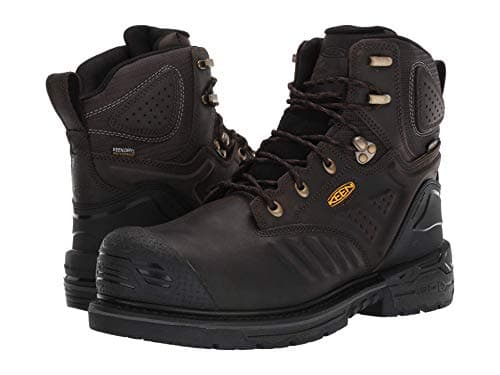
KEEN Utility Philadelphia 6-inch: carbon toe, 572 F outsole
From Best construction work boots for mud, rebar and ladders