How-to
How to waterproof leather work boots
Published
Short answer
Clean the boots, let them dry, then apply a treatment matched to the leather: a wax-based dressing for smooth and oil-tanned full-grain leather, an oil for oil-tanned leather that is drying out, and a spray for suede, nubuck and roughout. Work it into the seams and welt, let it cure, and buff. Treatment makes leather shed water but does not make an unlined boot fully waterproof; for that you need a membrane boot.
Boots for this job
All 6 picks compared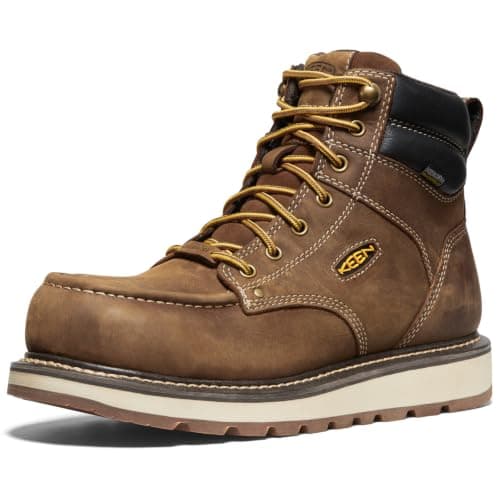
KEEN Utility Cincinnati 6-inch: KEEN.DRY, carbon toe, EH
See price on AmazonSee it on Amazon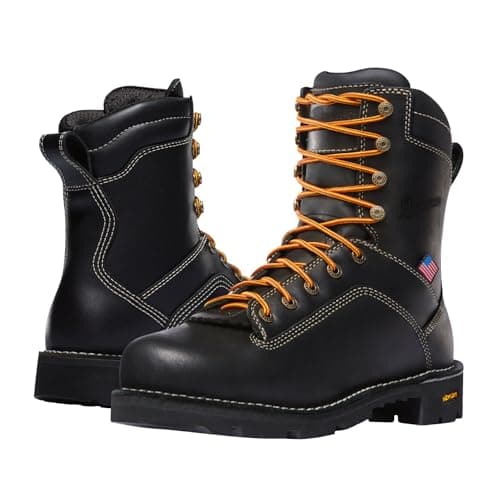
Danner Quarry USA 8-inch: GORE-TEX, alloy toe, Vibram
See price on AmazonSee it on Amazon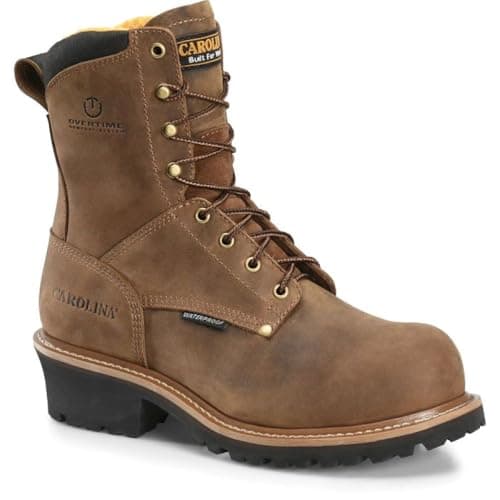
Carolina Poplar 8-inch: waterproof composite toe logger
See price on AmazonSee it on Amazon
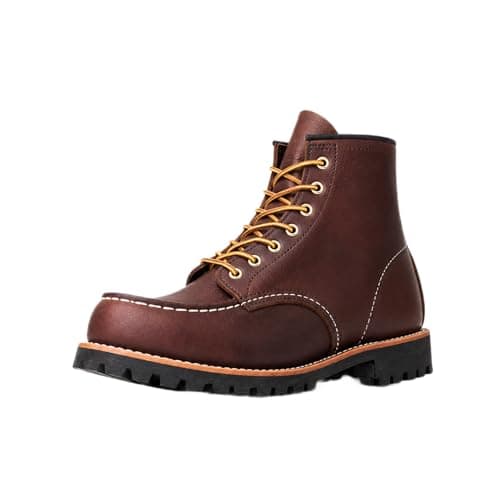
Leather work boots get soaked from puddles, wet grass, slush and washdown water, and wet leather dries stiff and cracks over time. A good treatment keeps the leather shedding water and in better shape. This page covers the three main types of treatment, which suits which leather, a step by step method, and the difference between treated leather and a truly waterproof boot. It also covers moc toe boots like Thorogood and Red Wing, which are often oil-tanned.
Waterproof vs water resistant
A boot with a waterproof membrane, such as a bootie liner, is built to keep water out even when the leather is wet. A boot without one relies on the leather, the seams and any treatment, so it is water resistant at best. Treatment helps both kinds: on a membrane boot it keeps the outer leather from soaking up water, which keeps the boot lighter, warmer and more breathable.
If you stand in water for long periods, treatment alone will not keep you dry. Read waterproof vs water-resistant work boots and see our best waterproof work boots guide.
Wax, oil or spray: which to use
Oil-tanned leathers, common on moc toe and heritage work boots, already carry oils from the tannery. They take wax and oil well. Smooth finished leathers prefer creams and wax. Roughout and suede should not get heavy wax or oil unless you accept that they will turn smooth and dark. Many boot makers sell their own treatments and list which leathers they suit, so check the maker's care advice for your exact leather.
Wax-based dressing (often beeswax blends)
- Best for
- Smooth full-grain and oil-tanned leather
- Effect on leather
- Strong water shedding; may darken slightly; seals seams well
Oil or grease (mink oil and similar)
- Best for
- Oil-tanned leather that is dry or stiff
- Effect on leather
- Softens and conditions; usually darkens; less water shedding than wax alone
Silicone or fluoropolymer spray
- Best for
- Suede, nubuck, roughout and fabric panels
- Effect on leather
- Keeps the texture and breathability; needs more frequent reapplying
Conditioner (cream)
- Best for
- Smooth leather that is dry
- Effect on leather
- Feeds the leather; light water resistance
| Treatment | Best for | Effect on leather |
|---|---|---|
| Wax-based dressing (often beeswax blends) | Smooth full-grain and oil-tanned leather | Strong water shedding; may darken slightly; seals seams well |
| Oil or grease (mink oil and similar) | Oil-tanned leather that is dry or stiff | Softens and conditions; usually darkens; less water shedding than wax alone |
| Silicone or fluoropolymer spray | Suede, nubuck, roughout and fabric panels | Keeps the texture and breathability; needs more frequent reapplying |
| Conditioner (cream) | Smooth leather that is dry | Feeds the leather; light water resistance |
Step by step: waterproofing smooth or oil-tanned leather
- 1
Remove the laces so you can reach the tongue and gusset.
- 2
Brush off dirt and wipe the leather with a damp cloth. Use a leather cleaner on heavy grime. See how to clean work boots.
- 3
Let the boots dry fully at room temperature, away from heaters.
- 4
Warm the boots slightly in a warm room so the leather opens up. Do not use direct heat.
- 5
Apply a thin coat of wax or oil with your fingers or a cloth, working it into the seams, the welt and where the upper meets the sole.
- 6
Let it soak in for the time the product suggests, often several hours or overnight.
- 7
Wipe off excess and buff with a soft cloth or brush.
- 8
Add a second thin coat on seams and the toe crease if you work in very wet conditions.
Note.Test any product on a small hidden area first. Most waxes and oils darken leather, and the color change is usually permanent.
Waterproofing suede, nubuck and roughout
Sprays wear off faster than wax, so reapply when water stops beading. If you want roughout boots to shed water like a smooth boot, some people wax them on purpose, accepting a darker, smoother look.
- 1
Brush the nap with a suede brush to lift dirt.
- 2
Make sure the boots are clean and dry.
- 3
Spray evenly from the distance on the can, in a ventilated area.
- 4
Let it dry, then apply a second light coat.
- 5
Brush the nap again once dry.
How often to treat, and Thorogood and Red Wing notes
Treat when water stops beading and the leather looks dry or lighter at the creases. Boots worn in mud, snow or washdown water may need it every few weeks; boots worn in dry shops may need it a few times a year. Over-treating can make leather too soft and attract dirt, so thin coats are better than heavy ones.
Many Thorogood and Red Wing moc toes use oil-tanned leathers that respond well to a light wax or oil. Our how to care for Red Wing and Thorogood boots article has brand-specific care. If your boots leak at the seams or through a membrane, treatment may not fix it; see waterproof work boots leaking. After soaking, dry boots slowly: how to dry work boots.
Frequently asked questions
What is the best waterproofing for leather work boots? For smooth and oil-tanned leather, a wax-based dressing gives the strongest water shedding. For suede and roughout, a spray keeps the texture.
Does mink oil waterproof boots? It adds water resistance and softens leather, but it usually darkens it and can over-soften if overused. Wax blends shed water better.
Can you waterproof Thorogood boots? Yes. Many Thorogood work boots use oil-tanned leather that takes wax or oil well. Test a small area first because it will darken.
Will waterproofing affect a waterproof membrane? No. Treatment works on the outer leather. It helps the membrane boot by keeping the leather from soaking up water.
What you need for this
- See price on AmazonAmazon
KEEN Utility Cincinnati 6-inch: carbon toe, Goodyear welt
From Best waterproof work boots for rain, mud and wet concrete
 See price on AmazonAmazon
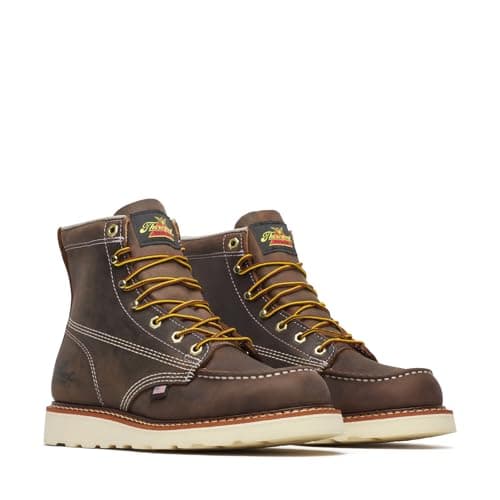
Thorogood American Heritage 6 in. moc toe, soft toe
 See price on AmazonAmazon
Red Wing Roughneck 8146: Vibram TC-4 lug, No. 23 last
From Best Red Wing work boots: Classic Moc, Iron Ranger, Roughneck and more