Fix
Waterproof work boots leaking: causes and fixes
Published
Short answer
Waterproof work boots usually leak because the membrane has torn or worn at the flex crease, the leather or seams have cracked, water is coming in over the top or through the tongue, or the "leak" is really sweat that cannot escape. Find the leak with a shallow water test. Surface leather problems can often be treated, but a failed membrane cannot be truly repaired, so check the warranty or replace the boots.
Boots for this job
All 6 picks compared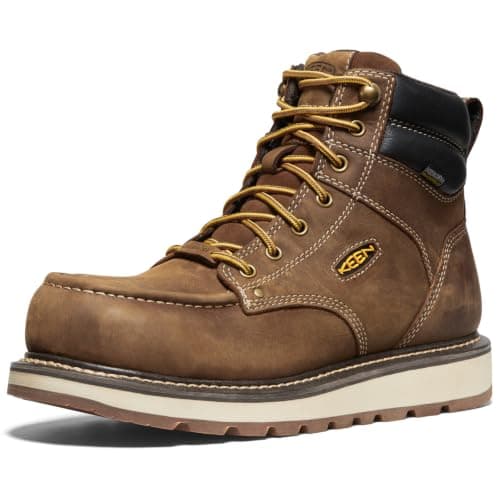
KEEN Utility Cincinnati 6-inch: KEEN.DRY, carbon toe, EH
See price on AmazonSee it on Amazon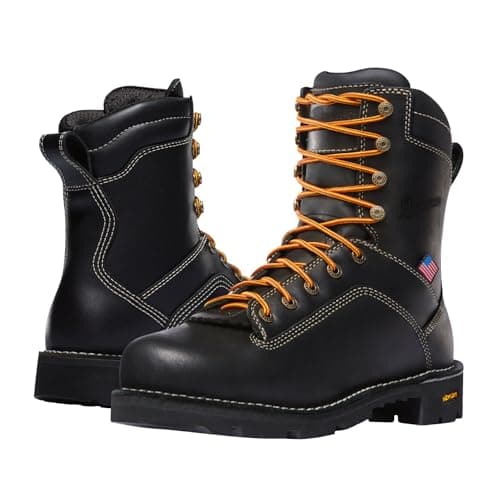
Danner Quarry USA 8-inch: GORE-TEX, alloy toe, Vibram
See price on AmazonSee it on Amazon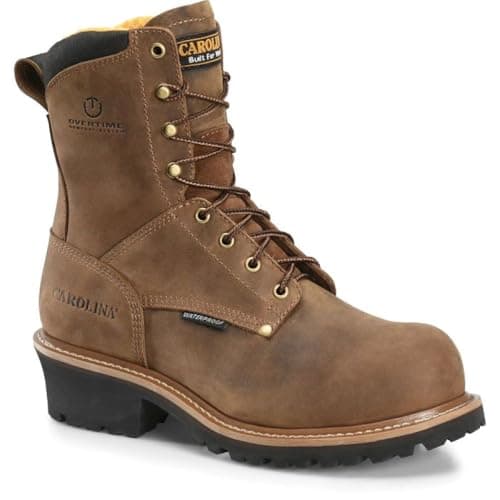
Carolina Poplar 8-inch: waterproof composite toe logger
See price on AmazonSee it on Amazon
Wet socks in boots sold as waterproof are frustrating, especially if the boots are not that old. The cause is not always a defect. This page helps you tell a real leak from sweat or water over the top, find where water gets in, and decide what can be fixed. It covers membranes such as Gore-Tex and brand waterproof liners, leather treatments, seam sealing and when a warranty claim or new pair makes more sense.
How waterproof work boots keep water out
Most waterproof work boots use a waterproof, breathable membrane liner, sometimes called a bootie, sewn inside the leather upper. The leather is the first layer and the membrane is the barrier. Some boots rely on treated leather and sealed seams instead. Rubber and rubber-bottom boots are waterproof because of the material itself.
A membrane only keeps water out up to the height where it ends, usually just below the top of the boot or the base of the tongue gusset. Water that comes over the top goes straight in. Membranes also wear out, especially where the boot creases with every step.
Common causes of a leaking waterproof boot
Water over the top or through the tongue
- Typical signs
- Wet only after deep water, rain down the leg or kneeling
- Usually fixable?
- Yes: taller boot, gaiters, pants over the boot
Sweat trapped inside
- Typical signs
- Damp all over, even on dry days
- Usually fixable?
- Yes: wicking socks, drying, rotation
Membrane worn or torn at the flex crease
- Typical signs
- Wet toes or forefoot after walking in puddles
- Usually fixable?
- Not truly; warranty or replace
Leather wetted out
- Typical signs
- Leather darkens and feels soaked, feet cold and damp
- Usually fixable?
- Often: clean and re-treat leather
Cracked leather or failed seams
- Typical signs
- Wet at a visible crack or seam
- Usually fixable?
- Sometimes: seam sealer or cobbler
Sole separation
- Typical signs
- Wet along the edge of the sole
- Usually fixable?
- Sometimes: cobbler or regluing
Puncture
- Typical signs
- Wet at one spot after nails, wire or brush
- Usually fixable?
- Not reliably once the membrane is pierced
| Cause | Typical signs | Usually fixable? |
|---|---|---|
| Water over the top or through the tongue | Wet only after deep water, rain down the leg or kneeling | Yes: taller boot, gaiters, pants over the boot |
| Sweat trapped inside | Damp all over, even on dry days | Yes: wicking socks, drying, rotation |
| Membrane worn or torn at the flex crease | Wet toes or forefoot after walking in puddles | Not truly; warranty or replace |
| Leather wetted out | Leather darkens and feels soaked, feet cold and damp | Often: clean and re-treat leather |
| Cracked leather or failed seams | Wet at a visible crack or seam | Sometimes: seam sealer or cobbler |
| Sole separation | Wet along the edge of the sole | Sometimes: cobbler or regluing |
| Puncture | Wet at one spot after nails, wire or brush | Not reliably once the membrane is pierced |
How to find the leak
- 1
Dry the boots completely first. See how to dry work boots.
- 2
Stuff the boot with dry paper towels down into the toe.
- 3
Stand the boot in a tray of shallow water, below the top of the gusseted tongue, for several minutes.
- 4
Pull out the towels and look for wet spots. Their location shows where water gets in.
- 5
Repeat a little deeper if the first test is dry. If the boot stays dry, the problem is likely sweat or water over the top.
- 6
Check the outside for cracks at the toe crease, open seams and gaps between sole and upper.
Note.Do not submerge a boot above its membrane height, since water will come in over the top and give a false result.
Fixes that can help
These fixes help with leather wet-out, seams and edges. They do not restore a torn or worn-out membrane on the inside.
- Re-treat the leather. Clean the boots, then apply a waterproofing product suited to the leather and compatible with membranes. Many makers recommend water-based products for membrane boots. See how to waterproof leather work boots.
- Seal seams. A flexible seam sealer can help at a leaking stitch line on the outside.
- Fix sole separation. A cobbler can reglue or restitch an edge that has opened. See work boot sole separating.
- Stop water over the top. Wear pants outside the boot, use gaiters or move to an 8 inch boot or a Wellington.
- Manage sweat. Wool or synthetic wicking socks, drying the boots fully every night and rotating two pairs.
Work boots not waterproof anymore? Check the warranty
Many brands offer a waterproof warranty for a set period after purchase, and some membrane makers back the products made with their liners. If relatively new boots leak and the shallow water test shows a real leak through the lower boot, contact the seller or brand with your receipt before trying repairs that could void the warranty.
For older boots with a worn membrane, the honest answer is usually replacement, especially if you rely on them in standing water. Leather treatments make the outer layer shed water better but cannot replace the barrier inside.
Choosing a boot that stays dry longer
Match the boot to the water. For puddles, rain and wet grass, a membrane leather boot works well. For standing water, mud and washdowns, a rubber or rubber-bottom boot or a tall pull-on is more reliable. Fewer seams across the toe crease and a gusseted tongue up high reduce weak points. See waterproof vs water-resistant work boots and the best waterproof work boots.
Frequently asked questions
Why are my waterproof boots wet inside but not leaking? Usually sweat. Membranes breathe slowly, and in warm weather or hard work moisture builds up. Wicking socks and full drying help.
Can you fix the membrane in waterproof boots? Not in a reliable way at home. Once the membrane tears, treatments on the outside only help the leather shed water.
How long do waterproof work boots stay waterproof? It depends on use, care and flexing. Heavy daily wear in wet conditions wears membranes faster. Clean and treat the leather to help.
Does waterproofing spray make boots waterproof? It helps leather repel water but does not make a non-membrane boot fully waterproof in standing water.
What you need for this
- See price on AmazonAmazon
KEEN Utility Cincinnati 6-inch: carbon toe, Goodyear welt
From Best waterproof work boots for rain, mud and wet concrete
 See price on AmazonAmazon
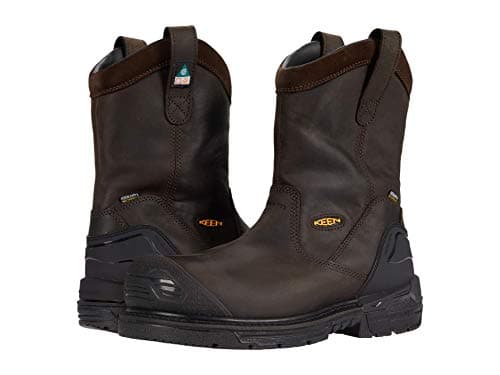
KEEN Utility Philadelphia Wellington, CSA and puncture resistant
 See price on AmazonAmazon
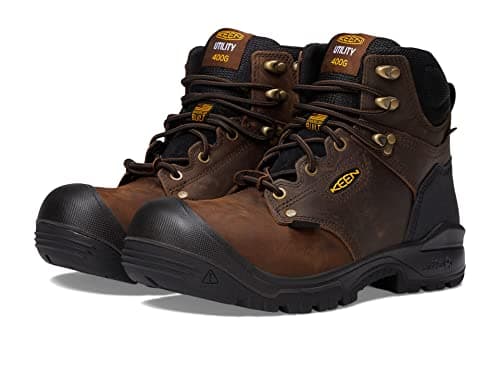
KEEN Utility Independence 6" 400G, rated to -40F
From Best insulated work boots for winter, by insulation weight