Fix
Why are my work boots squeaking?
Published
Short answer
Most work boot squeaks come from three places: the insole rubbing against the footbed, the tongue or leather rubbing against laces and eyelets, or the rubber outsole on smooth, wet floors. Find where the noise starts, then fix that spot: powder under the insole, conditioner on the leather, or drying and cleaning the outsole. A squeak with a soft or flapping sole can mean the sole is separating.
Boots for this job
All 7 picks compared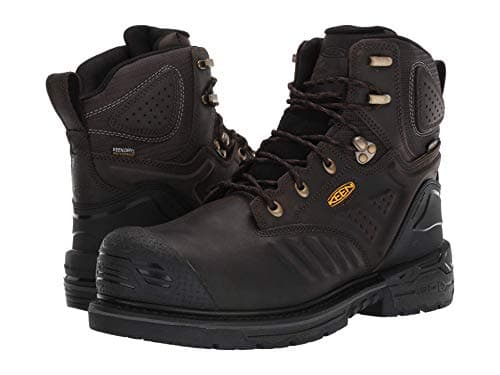
KEEN Utility Philadelphia 6" carbon toe, 572F heat sole
See price on AmazonSee it on Amazon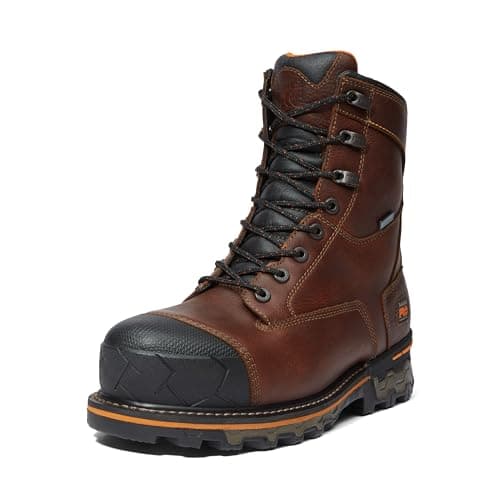
Timberland PRO Boondock 8" composite toe, puncture resistant
See price on AmazonSee it on Amazon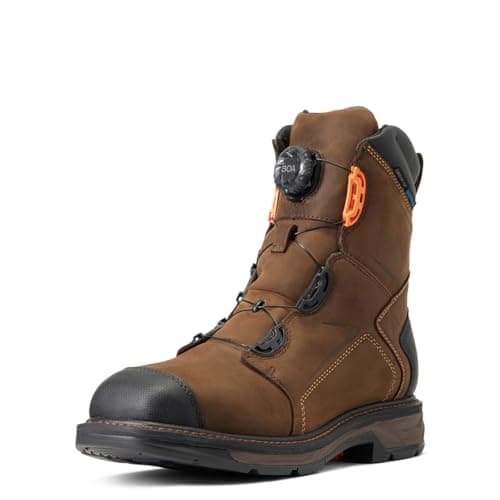
Ariat WorkHog XT 8" BOA, carbon toe, waterproof
See price on AmazonSee it on Amazon
A squeak with every step is annoying in a quiet building and embarrassing on a customer call. It is usually harmless, but sometimes it points to a problem like trapped water or a sole coming loose. This page is for anyone with noisy work boots. We show you how to find where the squeak comes from, give a cause and fix table, walk through the fix for each source, and tell you when the noise means the boot needs repair.
Find where the squeak comes from
The fix depends on the source, so take a minute to locate it before you start.
- 1
Walk on a hard floor and listen. Is the noise inside the boot or from the sole on the floor?
- 2
Take the boot off and press down on the insole with your thumb, moving it back and forth. A squeak here means the insole is rubbing.
- 3
Flex the boot by hand at the ball of the foot. A squeak from the upper or tongue points to leather rubbing.
- 4
Walk on carpet. If the squeak stops, it is the outsole on smooth floors.
- 5
Look at the edge where the sole meets the upper for gaps, especially at the toe.
Causes and fixes at a glance
Inside, under foot
- Likely cause
- Insole rubbing on the footbed
- Fix
- Powder under the insole, or a new insole
Inside, wet
- Likely cause
- Trapped moisture
- Fix
- Dry the boots fully, remove insoles to dry
Tongue and laces
- Likely cause
- Leather rubbing on leather or eyelets
- Fix
- Condition the tongue and lace area
Upper creases
- Likely cause
- Dry or new stiff leather
- Fix
- Condition, wear in
Outsole on floor
- Likely cause
- Rubber on smooth, wet or polished floors
- Fix
- Dry and clean soles; often fades with wear
Sole edge
- Likely cause
- Sole separating, air pumping in and out
- Fix
- Repair or replace
| Where | Likely cause | Fix |
|---|---|---|
| Inside, under foot | Insole rubbing on the footbed | Powder under the insole, or a new insole |
| Inside, wet | Trapped moisture | Dry the boots fully, remove insoles to dry |
| Tongue and laces | Leather rubbing on leather or eyelets | Condition the tongue and lace area |
| Upper creases | Dry or new stiff leather | Condition, wear in |
| Outsole on floor | Rubber on smooth, wet or polished floors | Dry and clean soles; often fades with wear |
| Sole edge | Sole separating, air pumping in and out | Repair or replace |
Insole squeaks
This is the most common cause. The insole slides against the footbed or rubs on the inside of the boot as you flex. It often gets worse when there is a little moisture inside.
If the boot has no removable insole, a little powder inside the boot may still help.
- 1
Pull out the insole.
- 2
Make sure the inside of the boot is completely dry.
- 3
Sprinkle a light layer of talc free baby powder or cornstarch on the footbed.
- 4
Put the insole back and press it flat.
- 5
If the insole is worn or cracked, replace it. See how to choose insoles for work boots.
Tongue, lace and upper squeaks
New leather, dry leather and stiff tongues can squeak where the tongue rubs against the upper or the laces rub through the eyelets and hooks. Conditioning the leather usually quiets it.
Full routine in how to condition Red Wing and Thorogood boots. On new boots, the squeak often fades during break in. See how to break in work boots.
- 1
Remove the laces.
- 2
Clean the leather if it is dirty.
- 3
Rub a thin coat of leather conditioner into the tongue edges, the gusset and the eyelet area.
- 4
Let it absorb, wipe off the excess and relace.
Outsole squeaks on smooth floors
Rubber soles can squeak on polished concrete, tile and wet floors. This is common with new boots and with soft, slip resistant rubber compounds, which are designed to grip. It is a floor and sole interaction, not a defect.
- Dry the soles fully, including between lugs.
- Clean off oil, film or residue with soapy water.
- Wear tends to roughen the surface and reduce the noise over time.
Note.Do not sand, coat or oil the outsole to stop squeaking. That can reduce slip resistance, which matters more than the noise.
Preventing squeaks in the future
Most squeaks come back when boots are put away wet or the leather dries out. A simple routine keeps them quiet and helps the boots last.
If you need boots that handle wet sites better, see the best waterproof work boots.
- Pull the insoles out at the end of a wet shift so the inside dries fully.
- Air dry boots at room temperature, never next to a heater. See how to dry work boots.
- Condition the leather when it looks dry, especially the tongue and lace area.
- Replace insoles when they are packed flat or cracked.
- Rotate two pairs if you work in wet conditions every day, so each pair dries between shifts.
When the squeak means repair
A squeak or a squishing sound combined with water getting in, a soft spot under foot, or a visible gap at the sole edge can mean the sole is coming away from the upper. In cemented boots, the glue bond may be failing. In welted boots, stitching may be worn.
A separating sole should be fixed quickly. It lets in water and debris, and on EH rated boots any damage to the sole can reduce electrical protection. See work boot sole separating and can work boots be resoled. If your waterproof boots are wet inside, read waterproof work boots leaking.
Frequently asked questions
Why do my new boots squeak? New leather and stiff insoles often squeak until they break in. Conditioning the leather and powder under the insole usually help.
Why do my boots squeak only when wet? Water trapped under the insole or between the sole layers squeaks as you walk. Dry the boots fully with the insoles removed.
Can WD-40 stop boot squeaks? It is not a good idea on leather or soles. It can damage leather finishes and make soles slippery. Use powder and leather conditioner instead.
Is a squeaky boot a defect? Usually not. Insole and leather squeaks are common and fixable. A squeak from a separating sole is a defect worth raising with the seller if the boots are new.
What you need for this
- See price on AmazonAmazon
KEEN Utility Philadelphia 6-inch: carbon toe, 572 F outsole
From Best construction work boots for mud, rebar and ladders
 See price on AmazonAmazon
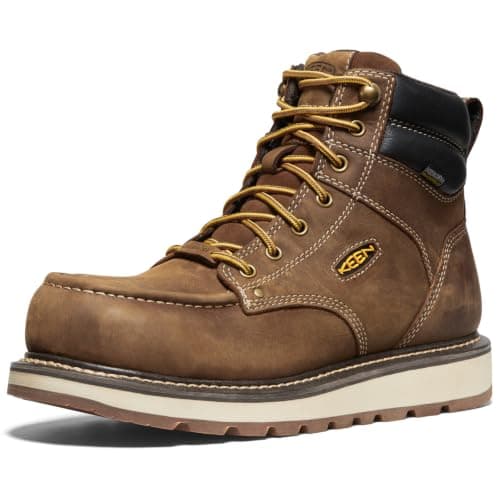
KEEN Utility Cincinnati 6-inch: carbon toe, Goodyear welt
From Best waterproof work boots for rain, mud and wet concrete