How-to
How to dry wet work boots
Published
Short answer
To dry work boots, pull out the insoles, loosen or remove the laces, open the boots wide and stuff them with newspaper or paper towels, replacing it as it soaks through. Leave them at room temperature with airflow, away from heaters and fires. A boot dryer on a low or no-heat setting speeds it up. When the leather is dry, apply conditioner, because water and drying pull oils out of the leather.
Boots for this job
All 6 picks compared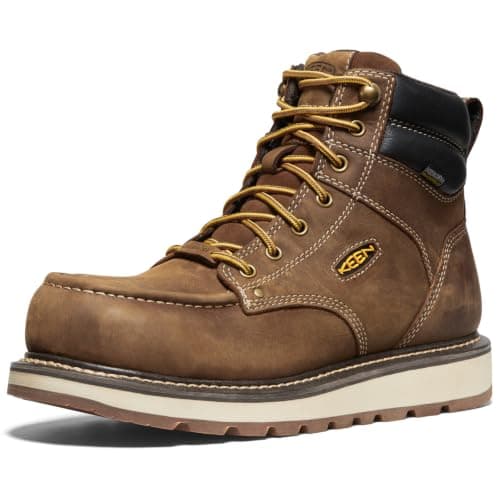
KEEN Utility Cincinnati 6-inch: KEEN.DRY, carbon toe, EH
See price on AmazonSee it on Amazon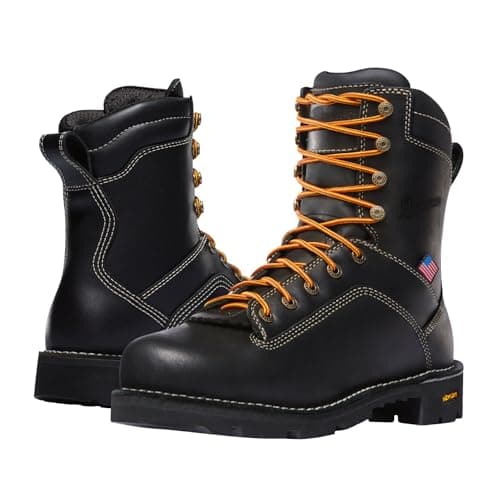
Danner Quarry USA 8-inch: GORE-TEX, alloy toe, Vibram
See price on AmazonSee it on Amazon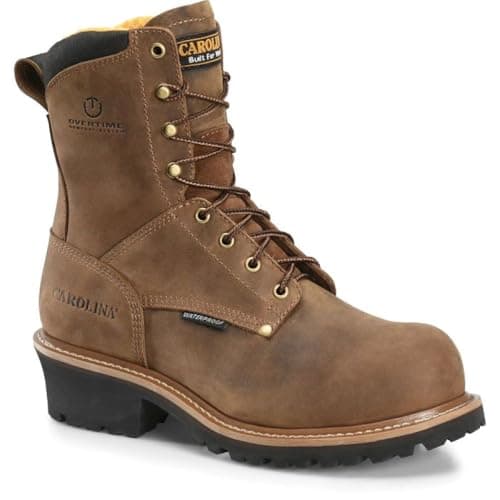
Carolina Poplar 8-inch: waterproof composite toe logger
See price on AmazonSee it on Amazon
Wet boots are a fact of life on many jobs, and the way you dry them affects how long they last. Fast heat feels like the solution, but it is one of the most common ways to crack leather and weaken soles. This page covers how to dry work boots overnight, how boot dryers fit in, what to do differently for steel toe and waterproof boots, and how to care for the leather once it is dry.
Why heat is a mistake on leather boots
Leather contains oils that keep it flexible. Drying it quickly with high heat drives those oils out and can shrink, harden and crack the leather, especially at flex points such as the toe crease. Heat can also weaken the adhesives in cemented boots, which can lead to the sole separating. Synthetic parts, foam midsoles and some waterproof liners can also be damaged by high heat.
Placing boots right next to a wood stove, on a radiator, in front of a space heater, in a clothes dryer or under a hair dryer on high are the usual culprits. Slow drying at room temperature with good airflow is gentler and works for most boots overnight or within a day or two.
Note.Do not dry boots in an oven, microwave or clothes dryer, or directly against a heater or fire. Besides damaging the boot, it can be a fire risk.
How to air dry work boots step by step
- 1
Knock off mud and rinse off any salt or chemicals with a damp cloth.
- 2
Remove the insoles and dry them separately.
- 3
Loosen the laces fully or take them out, and pull the tongue forward to open the boot.
- 4
Stuff the boots loosely with newspaper, paper towels or a cotton cloth, all the way into the toe.
- 5
Replace the paper every hour or two at first, then less often as it stops getting soaked.
- 6
Stand the boots upright or tilted with the openings up, at room temperature, with a fan blowing nearby if possible.
- 7
Once dry to the touch, let them sit a few more hours to dry inside the toe and under the footbed.
- 8
Condition the leather with a product suited to it. See how to clean work boots.
Using a boot dryer
Boot dryers circulate air through the boot, sometimes with gentle warmth. Low-heat or no-heat models are designed for footwear and are much gentler than a heater. They are useful if you wear the same boots every day or work in wet conditions most of the time.
Use the lowest effective setting, follow the dryer maker's instructions, and still remove the insoles. Check the boot maker's care guidance too, since some recommend air drying only for certain leathers or liners.
Room-temperature air dry with paper
- Speed
- Overnight to a day or two
- Risk to leather
- Low
Fan blowing on open boots
- Speed
- Faster than still air
- Risk to leather
- Low
Low-heat or no-heat boot dryer
- Speed
- Often overnight
- Risk to leather
- Low when used as directed
Near a heater, fire or radiator
- Speed
- Fast
- Risk to leather
- High: cracking, shrinking, glue failure
Hair dryer on high, oven, clothes dryer
- Speed
- Fast
- Risk to leather
- High
| Method | Speed | Risk to leather |
|---|---|---|
| Room-temperature air dry with paper | Overnight to a day or two | Low |
| Fan blowing on open boots | Faster than still air | Low |
| Low-heat or no-heat boot dryer | Often overnight | Low when used as directed |
| Near a heater, fire or radiator | Fast | High: cracking, shrinking, glue failure |
| Hair dryer on high, oven, clothes dryer | Fast | High |
How to dry steel toe boots
Steel toe boots dry the same way, but the toe area takes longest because the cap blocks airflow and lining fabric is trapped around it. Push paper all the way into the toe and replace it more often. A boot dryer that reaches into the toe helps. Metal caps can also feel cold and damp if the lining stays wet, which is uncomfortable in winter.
If a steel toe boot gets soaked often, rust can affect metal parts over time, though caps are usually coated and sealed inside the boot. Drying fully between wears is the best prevention. If your boots are always wet, consider a waterproof work boot or a composite toe boot.
Drying waterproof and insulated boots
Waterproof boots are usually wet from the inside, from sweat, or from water coming over the top. The membrane keeps water in as well as out, so they can take longer to dry. Remove insoles, open them wide and use paper or a low-heat dryer. If they get wet inside every time it rains, see waterproof work boots leaking.
Insulated boots hold moisture in the insulation. Give them extra time and do not wear them damp into the cold, since wet insulation keeps you less warm. A second pair to rotate is the simplest fix if you work in snow. See insulated work boots.
After drying: protect the leather
- Apply a conditioner or oil suited to the leather once it is dry, focusing on creases.
- Reapply a waterproofing treatment if the leather no longer beads water. See how to waterproof leather work boots.
- Check for white salt stains and wipe them with a damp cloth before conditioning.
- Look for cracks, sole separation or stitching damage that wet conditions can reveal. See work boot sole separating.
Frequently asked questions
How do I dry work boots overnight? Remove insoles and laces, stuff with newspaper, replace the paper before bed, and leave them in a warm room with a fan or on a low-heat boot dryer.
Can I put work boots in the dryer? No. The heat and tumbling can damage leather, adhesives, membranes and the dryer itself.
Is it bad to wear wet work boots? Wearing them wet often softens the skin and raises the risk of blisters and fungal problems. Rotate two pairs if your boots are often wet.
Why do my boots smell after drying? Moisture lets bacteria grow. Dry them fully each time, wash or replace insoles, and let them air out between wears.
What you need for this
- See price on AmazonAmazon
KEEN Utility Cincinnati 6-inch: carbon toe, Goodyear welt
From Best waterproof work boots for rain, mud and wet concrete
 See price on AmazonAmazon
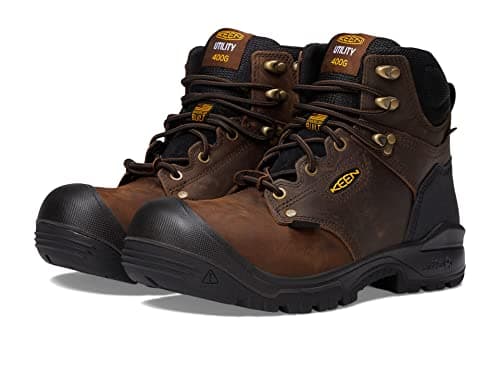
KEEN Utility Independence 6" 400G, rated to -40F
From Best insulated work boots for winter, by insulation weight
 See price on AmazonAmazon
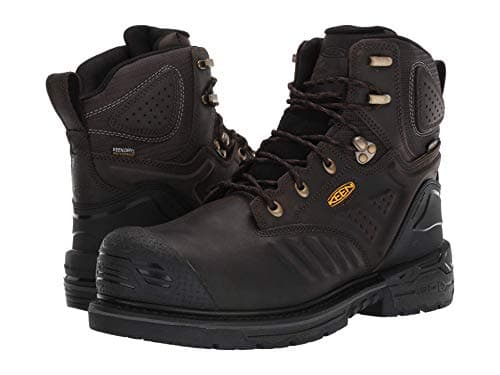
KEEN Utility Philadelphia 6-inch: carbon toe, 572 F outsole