Fix
Work boot sole separating: repair or replace?
Published
Short answer
A small gap at the toe or heel of a cemented boot can be glued with a flexible urethane shoe adhesive as a short-term fix. A welted boot with a worn or loose sole is a job for a cobbler, who can restitch or resole it. Replace the boots if the sole is detaching along much of its length, the midsole is crumbling, or the boot is an EH or puncture-rated safety boot whose sole is now compromised.
Boots for this job
All 7 picks compared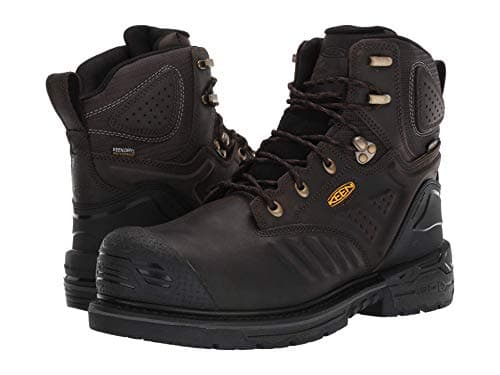
KEEN Utility Philadelphia 6" carbon toe, 572F heat sole
See price on AmazonSee it on Amazon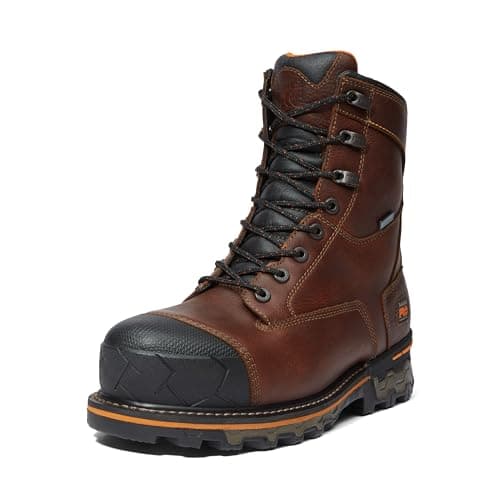
Timberland PRO Boondock 8" composite toe, puncture resistant
See price on AmazonSee it on Amazon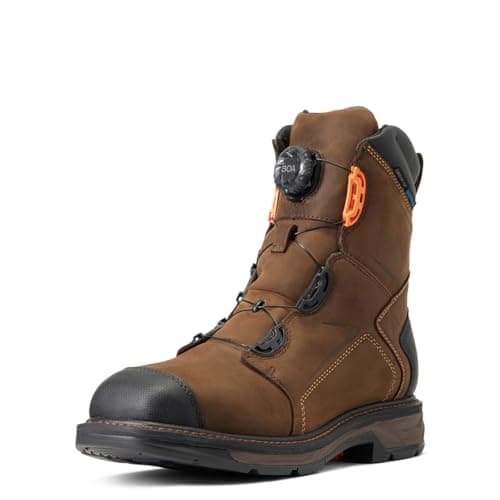
Ariat WorkHog XT 8" BOA, carbon toe, waterproof
See price on AmazonSee it on Amazon
A sole that starts peeling away is one of the most common work boot failures. It lets in water and grit, catches on stairs and ladders, and gets worse quickly. This page covers why soles separate, how to tell if your boot is glued or stitched, a safe glue fix for small gaps, what a cobbler can do, and when to retire the boots. It also covers heel repair kits, which come up often for steel toe boots.
Why work boot soles separate
Knowing which construction you have tells you the fix. A cemented boot has the sole glued directly to the upper. A Goodyear welted boot has a strip of leather or rubber, the welt, stitched around the edge, with the sole stitched to it. You can usually see the stitches running around the top edge of the sole on a welted boot.
Goodyear welt
Upper and welt strip are stitched together and the sole is stitched to the welt. A cobbler can cut the stitch and fit a new sole.
Resoleable
Cemented
The sole is glued straight to the upper. Lighter, more flexible and cheaper to make, but usually replaced rather than resoled.
Usually not resoleable
- Adhesive breakdown: heat, oils, solvents and repeated wet-dry cycles weaken the glue in cemented boots.
- Flex fatigue: the forefoot bends thousands of times a day, so separations often start at the toe.
- Heat: drying boots on heaters or working near hot surfaces softens adhesives.
- Age of foam midsoles: some foam midsoles break down over time, even in storage, so the sole can come away from the upper.
- Worn stitching: on welted boots, the stitches holding the sole to the welt can wear through.
Repair or replace: quick decision table
Small gap at the toe or heel, rest of sole solid
- Construction
- Cemented
- Best option
- Glue with flexible shoe adhesive
Sole loose along much of its length
- Construction
- Cemented
- Best option
- Replace the boots
Stitches worn, sole loose at the edge
- Construction
- Welted
- Best option
- Cobbler restitch
Tread worn and sole lifting
- Construction
- Welted
- Best option
- Cobbler resole
Midsole crumbling or cracked
- Construction
- Either
- Best option
- Replace (or resole if welted and the upper is sound)
Separation on an EH or PR rated boot
- Construction
- Either
- Best option
- Replace or professional resole; do not rely on a glued EH sole
| What you see | Construction | Best option |
|---|---|---|
| Small gap at the toe or heel, rest of sole solid | Cemented | Glue with flexible shoe adhesive |
| Sole loose along much of its length | Cemented | Replace the boots |
| Stitches worn, sole loose at the edge | Welted | Cobbler restitch |
| Tread worn and sole lifting | Welted | Cobbler resole |
| Midsole crumbling or cracked | Either | Replace (or resole if welted and the upper is sound) |
| Separation on an EH or PR rated boot | Either | Replace or professional resole; do not rely on a glued EH sole |
How to glue a small separation
Use a flexible shoe adhesive made for soles rather than super glue or hard epoxy, which can crack when the boot flexes. Work in a ventilated area and keep the adhesive off your skin.
- 1
Clean the gap: brush out dirt and grit, then wipe with rubbing alcohol and let it dry.
- 2
Lightly rough up both surfaces inside the gap with fine sandpaper so the glue can bond.
- 3
Apply a flexible urethane shoe repair adhesive to both surfaces, following the product directions.
- 4
Press the sole into place and clamp it with tape, rubber bands or a clamp with a cloth pad.
- 5
Wipe off squeeze-out and let it cure fully, often a day or more, before wearing.
- 6
Check the repair after a few shifts and redo it early if it starts to lift.
Note.A glued repair is a stopgap. Do not trust it on ladders, roofs or scaffolds until you have checked it holds, and never use it to keep an EH rated boot in service.
Heel repair kits and cobbler options
Heel repair kits for work boots usually include replacement heel pieces or a filler compound for worn heels. They can extend the life of a heel worn down on one side, but they do not fix a sole that is separating from the upper. For safety toe boots, a kit does not affect the toe cap rating, but a poorly attached heel is a trip and slip hazard.
A cobbler can restitch a welt, replace a heel, or fully resole a welted boot, often with a choice of sole types. Some boot brands also offer factory recrafting. For cemented boots, many cobblers will regrip a loose section but will advise against a full resole. Read can work boots be resoled.
Preventing it next time
Dry boots slowly at room temperature, never on a heater, a vent or in front of a fire, because heat softens adhesives; see how to dry work boots. Clean off oils and solvents promptly. Rotate pairs so each one dries fully between shifts.
When it is time for new boots, consider a welted build if you want to resole rather than replace. Our best construction work boots and best wedge sole work boots guides note construction for each pick, and how long do work boots last covers the other signs a boot is done.
Frequently asked questions
What glue is best for a work boot sole? A flexible urethane shoe repair adhesive made for soles. Avoid super glue and rigid epoxy, which crack when the boot flexes.
Can a cobbler fix a sole that is coming off? Yes, on most welted boots, and often a small section on cemented boots. A full resole is usually only practical on welted or stitchdown boots.
Is a separating sole a safety problem? Yes. It can catch on stairs and ladders, lets water in and can compromise EH and puncture protection.
Should I replace steel toe boots if the sole separates? If they are cemented and the separation is large, yes. If they are welted and the upper and cap are sound, a resole is a good option.
What you need for this
- See price on AmazonAmazon
KEEN Utility Philadelphia 6-inch: carbon toe, 572 F outsole
From Best construction work boots for mud, rebar and ladders
 See price on AmazonAmazon
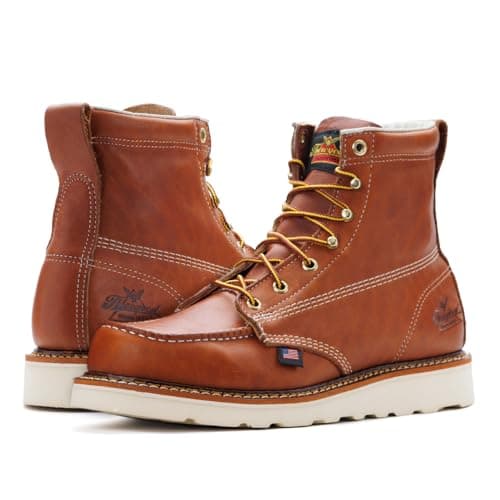
Thorogood American Heritage 6-inch: steel toe moc wedge
From Best wedge sole work boots, and when a wedge is the wrong pick
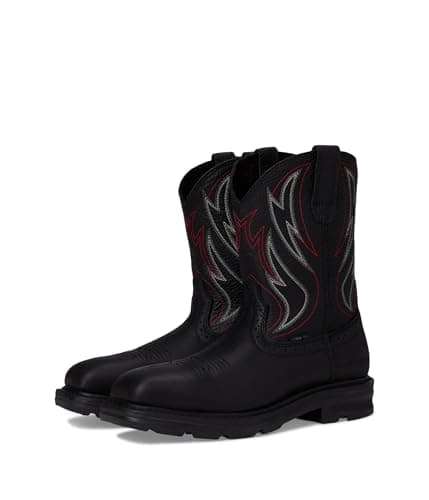 See price on AmazonAmazon
Sierra Shock Shield 10 in. steel toe, unlined
From Best steel toe work boots ranked on fit, build and resoleability