Explainer
How long do work boots last?
Published
Short answer
There is no set lifespan. A pair worn every day on rough sites can wear out within months, while a well-built pair in light use, or a resoleable welted boot that gets new soles, can last for years. Replace safety boots when the sole is worn smooth or cracked, the upper is split, the toe cap is exposed or dented, the EH sole is worn through, or after the cap takes a heavy impact.
Boots for this job
All 7 picks compared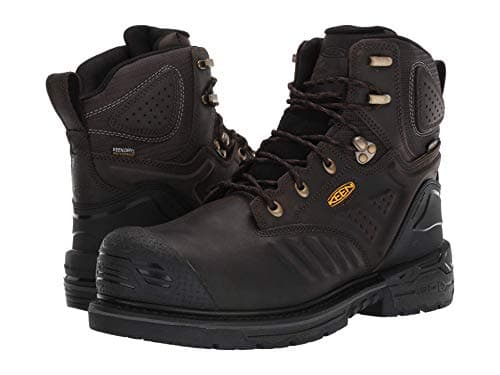
KEEN Utility Philadelphia 6" carbon toe, 572F heat sole
See price on AmazonSee it on Amazon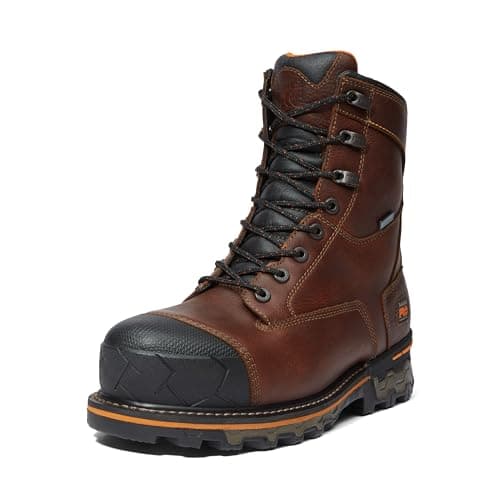
Timberland PRO Boondock 8" composite toe, puncture resistant
See price on AmazonSee it on Amazon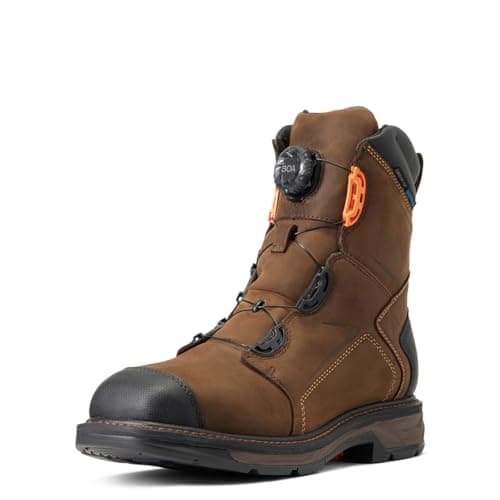
Ariat WorkHog XT 8" BOA, carbon toe, waterproof
See price on AmazonSee it on Amazon
Work boots are a tool, and like any tool they wear out. How fast depends on what you walk on, how many hours you wear them, how they are built and how you care for them. This page explains the factors that decide boot life, the clear signs a safety boot should be retired, why a hard hit on the toe cap matters even if the boot looks fine, and how to get more life from each pair. Neither ASTM F2413 nor OSHA sets an expiration date, so condition is what counts.
What decides how long boots last
Because these vary so much, you will see very different answers to "how long do work boots last". Two people with the same boot can get very different life from it. Watch the boot, not the calendar.
- Hours of wear: a boot worn every shift wears far faster than one worn a few days a week.
- Surfaces: concrete, gravel, rebar and hot asphalt eat soles. Carpeted or smooth floors are gentle.
- Conditions: water, mud, chemicals, oils and heat break down leather, stitching and adhesives.
- Construction: Goodyear welted and stitchdown boots can be resoled. Cemented boots usually cannot.
- Care: cleaning, drying and conditioning slow the breakdown of leather.
- Rotation: two pairs worn on alternate days each get time to dry out fully.
Signs a safety boot should be retired
Tread worn smooth
- What it means
- Less grip, especially on wet or oily floors
- Action
- Resole if welted, otherwise replace
Sole cracked or worn through to the midsole
- What it means
- EH and puncture protection may be compromised
- Action
- Replace or resole
Sole separating from the upper
- What it means
- Water and debris get in; trip hazard
- Action
- See work boot sole separating
Toe cap visible through worn leather
- What it means
- Cap exposed; on EH boots a metal cap near the surface is a concern
- Action
- Replace
Dent or crack in the toe cap
- What it means
- Cap may not protect as rated
- Action
- Replace
Split upper or broken stitching
- What it means
- Water gets in; support lost
- Action
- Cobbler repair or replace
Collapsed heel or insole, new pain
- What it means
- Support worn out
- Action
- Insole, resole or replace
| Sign | What it means | Action |
|---|---|---|
| Tread worn smooth | Less grip, especially on wet or oily floors | Resole if welted, otherwise replace |
| Sole cracked or worn through to the midsole | EH and puncture protection may be compromised | Replace or resole |
| Sole separating from the upper | Water and debris get in; trip hazard | See work boot sole separating |
| Toe cap visible through worn leather | Cap exposed; on EH boots a metal cap near the surface is a concern | Replace |
| Dent or crack in the toe cap | Cap may not protect as rated | Replace |
| Split upper or broken stitching | Water gets in; support lost | Cobbler repair or replace |
| Collapsed heel or insole, new pain | Support worn out | Insole, resole or replace |
Note.Any boot whose EH protection matters should be retired or resoled when the sole is worn thin, cracked or punctured, or when embedded metal could bridge the sole. EH is secondary protection only.
Replace after a heavy impact
The ASTM F2413 impact and compression tests check that a new toe cap protects you once at the rated load. They do not show how a cap behaves after it has already absorbed a heavy hit. A steel cap can bend and stay dented; a composite cap can crack inside the boot where you cannot see it. Many boot makers advise replacing safety footwear after a significant impact or compression event, even if the outside looks fine.
If something heavy lands on or rolls over your toe, check the cap from inside the boot with your fingers for dents or a changed shape, and report it to your supervisor. When in doubt, replace the boots. Read how do steel toe boots work and composite toe vs steel toe for how each cap behaves.
How to make work boots last longer
Choosing the right boot for the surface helps too. A wedge sole wears evenly on concrete, while a lug sole lasts longer on dirt and gravel. Our best work boots for concrete and best construction work boots guides match soles to sites.
- 1
Clean off mud, concrete and chemicals after each shift. See how to clean work boots.
- 2
Dry boots at room temperature with the insoles out; never on a heater. See how to dry work boots.
- 3
Condition and treat leather when it looks dry: how to waterproof leather work boots.
- 4
Rotate two pairs if you work long or wet shifts.
- 5
Replace laces and insoles before they fail; they are cheap compared with boots.
- 6
Resole welted boots before the wear reaches the welt.
Resole or replace?
Goodyear welted and stitchdown boots are built to be resoled, often more than once, as long as the upper and welt are sound. A good resole can give a well-made boot a second life for much less than a new high-end pair. Cemented boots usually cannot be resoled economically. Read can work boots be resoled.
Resoling does not fix a damaged toe cap or a cracked upper. If the cap took a hit or the leather is splitting at the flex point, replace the boots. For buying advice, see how much do work boots cost and what makes a good work boot.
Goodyear welt
Upper and welt strip are stitched together and the sole is stitched to the welt. A cobbler can cut the stitch and fit a new sole.
Resoleable
Cemented
The sole is glued straight to the upper. Lighter, more flexible and cheaper to make, but usually replaced rather than resoled.
Usually not resoleable
Frequently asked questions
How often should you replace work boots? Whenever they show the wear signs above. Heavy daily use can mean replacing within months; light use or resoling can stretch a pair over years.
Do steel toe boots expire? There is no expiration date in ASTM F2413 or OSHA rules. Retire them when worn or damaged, or after a heavy impact to the cap.
When should you replace steel toe boots after an impact? After any significant impact or crushing load on the cap, even if the outside looks fine.
Do expensive work boots last longer? Often, when the price buys a welted, resoleable build and better leather. Price alone does not guarantee it.
What you need for this
- See price on AmazonAmazon
KEEN Utility Philadelphia 6-inch: carbon toe, 572 F outsole
From Best construction work boots for mud, rebar and ladders
 See price on AmazonAmazon
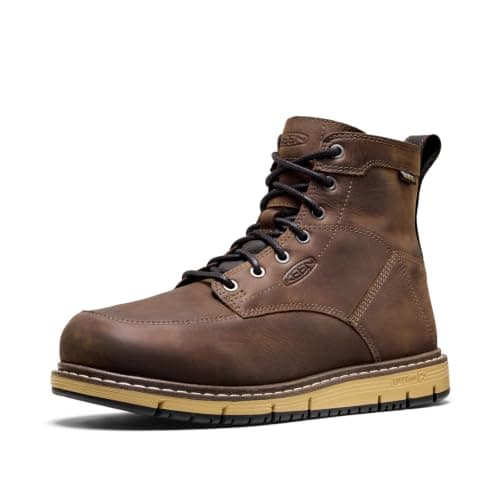
KEEN Utility San Jose 6-inch: aluminum toe, waterproof wedge
From Best work boots for concrete and standing on slab all shift
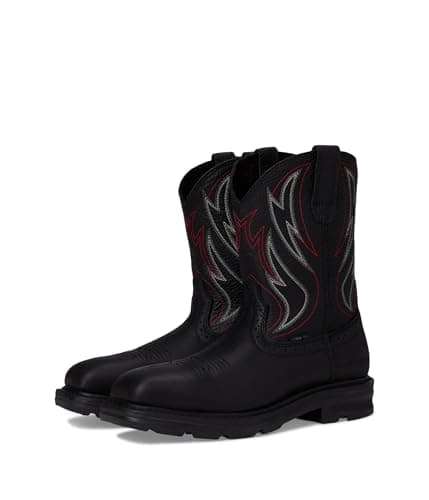 See price on AmazonAmazon
Sierra Shock Shield 10 in. steel toe, unlined
From Best steel toe work boots ranked on fit, build and resoleability