How-to
How to clean work boots
Published
Short answer
Clean work boots by removing the laces and insoles, brushing off dry dirt, then washing the upper with a damp cloth or soft brush and a mild cleaner made for the material. Rinse with a clean damp cloth, let them air dry away from heat, and condition leather once it is dry. Do not put work boots in a washing machine or dryer, including steel toe boots.
Boots for this job
All 6 picks compared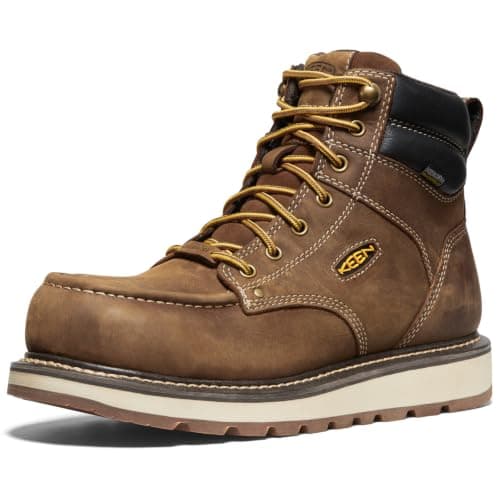
KEEN Utility Cincinnati 6-inch: KEEN.DRY, carbon toe, EH
See price on AmazonSee it on Amazon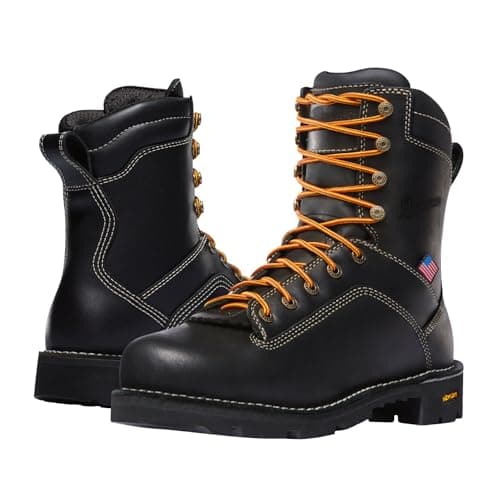
Danner Quarry USA 8-inch: GORE-TEX, alloy toe, Vibram
See price on AmazonSee it on Amazon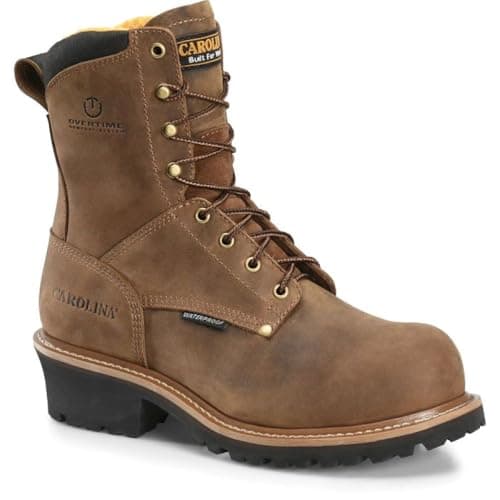
Carolina Poplar 8-inch: waterproof composite toe logger
See price on AmazonSee it on Amazon
Mud, concrete, oil and salt all shorten the life of a boot if they are left on. Regular cleaning keeps leather from drying out and cracking and keeps the sole in good shape. This page is for anyone cleaning work boots at home. We cover what you need, step by step cleaning for smooth leather, nubuck and suede, and synthetic boots, how to deal with concrete, oil and salt stains, and the mistakes that damage boots.
What you need
- A stiff brush for soles and a soft brush for uppers (a horsehair brush works well for leather).
- A suede or nubuck brush and eraser for napped leathers.
- Clean cloths and a bowl of lukewarm water.
- A cleaner made for the boot material, such as saddle soap or a leather cleaner. Mild dish soap diluted in water is a common option for synthetics.
- Leather conditioner for smooth leather, applied after cleaning.
- Newspaper or a boot dryer that uses gentle airflow, not high heat.
Cleaning smooth leather work boots
Oil-tanned and full-grain leathers handle this well. Check the boot maker's care instructions for any specific products they recommend.
- 1
Remove laces and insoles. Wash laces separately.
- 2
Knock the boots together outside and brush dry mud off the upper and out of the sole lugs.
- 3
Dampen a cloth or soft brush and work the cleaner into the leather in small circles. Do not soak the boot.
- 4
Pay attention to the welt seam where the upper meets the sole, where dirt and salt collect.
- 5
Wipe off the cleaner with a clean, damp cloth.
- 6
Stuff with newspaper and let the boots air dry at room temperature.
- 7
Once dry, apply conditioner. See how to condition Red Wing and Thorogood boots.
Cleaning nubuck, suede and roughout
Napped leathers are damaged by heavy water and by oils, which flatten and darken the nap. Clean them mostly dry.
- 1
Let mud dry completely, then brush it off with a suede or nubuck brush.
- 2
Use a suede eraser on scuffs and marks.
- 3
For stubborn dirt, use a cleaner made for nubuck and suede with a lightly damp brush.
- 4
Air dry, then brush the nap back up in one direction.
- 5
Use a protector spray made for nubuck if you want water resistance.
Note.Do not use mink oil or heavy oils on nubuck or suede unless you want to permanently change the look to a darker, smoother finish.
Cleaning synthetic and textile boots
Synthetic leather and nylon uppers are the easiest to clean. Brush off dirt, then scrub with a soft brush and mild soapy water. Rinse with a damp cloth and air dry. Avoid harsh solvents, which can damage glues and waterproof membranes.
Waterproof boots with a membrane liner should not be soaked inside. Clean the inside with a damp cloth if needed, and let them dry fully. See how to dry work boots.
Concrete, oil and salt
If you work in concrete every day, rinse boots at the end of each shift and condition more often. See the best work boots for concrete.
Wet concrete
- What to do
- Rinse off right away with water before it sets. Concrete dries out leather.
Dried concrete
- What to do
- Brush off as much as you can. A mix of water and white vinegar is commonly used to loosen residue on leather; test on a small spot first, rinse, then condition.
Road salt
- What to do
- Wipe with a damp cloth and a little white vinegar and water, rinse with clean water, dry and condition.
Oil and grease
- What to do
- Blot, do not rub. Use a leather degreaser or cleaner made for oil stains. Some oil darkening on oil-tanned leather may not come out fully.
| Stain | What to do |
|---|---|
| Wet concrete | Rinse off right away with water before it sets. Concrete dries out leather. |
| Dried concrete | Brush off as much as you can. A mix of water and white vinegar is commonly used to loosen residue on leather; test on a small spot first, rinse, then condition. |
| Road salt | Wipe with a damp cloth and a little white vinegar and water, rinse with clean water, dry and condition. |
| Oil and grease | Blot, do not rub. Use a leather degreaser or cleaner made for oil stains. Some oil darkening on oil-tanned leather may not come out fully. |
Cleaning the soles and insoles
Soles collect gravel, mud and debris in the lugs, which reduces grip and can hide nails or screws. Use a stiff brush or a blunt stick to clear the lugs, then scrub the outsole with soapy water. Check for anything embedded in the rubber, especially if your boots are EH rated or puncture resistant, since damage to the sole can reduce that protection.
Removable insoles can be hand washed with mild soap and water, then air dried flat. If they smell even after washing or are packed flat, replace them. See how to choose insoles for work boots. Sprinkling baking soda inside dry boots overnight is a common way to cut odor between cleanings; shake it out fully before wearing.
What to avoid
- Washing machines: the tumbling and water can damage leather, break down glue on cemented soles and harm waterproof membranes. This applies to steel toe boots too.
- Dryers, heaters and fires: direct heat dries and cracks leather and can weaken sole bonds.
- Harsh chemicals: bleach, strong solvents and household degreasers can strip leather finishes.
- Soaking the boots: cleaning is about the surface, not dunking them.
- Skipping conditioner: cleaning removes oils, so put some back on smooth leather.
Frequently asked questions
Can you wash steel toe boots in the washer? It is not recommended. Machine washing can damage leather, glue and waterproof liners, and the toe cap does not change that. Clean them by hand.
How often should I clean my work boots? Brush them off as needed and clean them properly whenever they get muddy, salty or covered in concrete. A full clean and condition every few weeks suits many daily wearers.
Can I use saddle soap on work boots? Yes on smooth leather. Do not use it on nubuck or suede. Condition afterward.
How do I clean the inside of work boots? Remove insoles, wipe the lining with a damp cloth and mild soap, and let the boots dry fully. Wash or replace insoles separately.
What you need for this
- See price on AmazonAmazon
KEEN Utility Cincinnati 6-inch: carbon toe, Goodyear welt
From Best waterproof work boots for rain, mud and wet concrete
 See price on AmazonAmazon
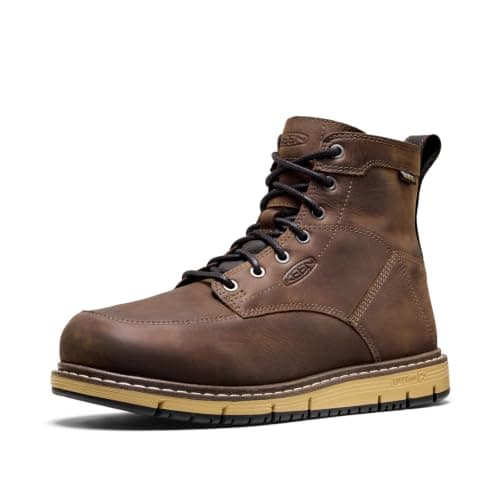
KEEN Utility San Jose 6-inch: aluminum toe, waterproof wedge
From Best work boots for concrete and standing on slab all shift
 See price on AmazonAmazon
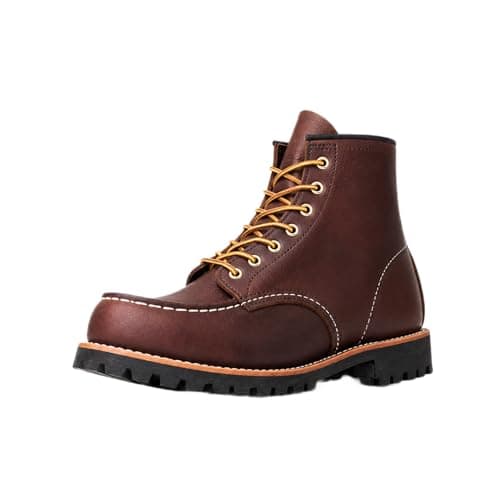
Red Wing Roughneck 8146: Vibram TC-4 lug, No. 23 last
From Best Red Wing work boots: Classic Moc, Iron Ranger, Roughneck and more