How-to
How to break in work boots
Published
Short answer
Break in work boots by wearing them for short periods at home first, then for part of a shift, adding time each day until they feel good through a full day. Wear your work socks, lace them properly and condition dry leather. Light boots with soft uppers may feel right within days, while thick welted leather boots can take a few weeks. Avoid soaking, heating or hammering them, which can damage leather and stitching.
Boots for this job
All 7 picks compared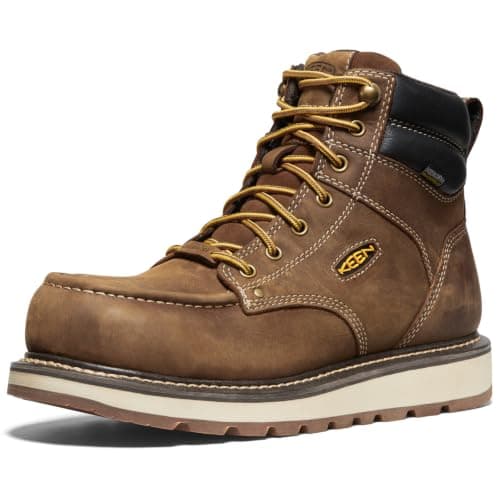
KEEN Utility Cincinnati 6 in. carbon toe with Luftcell midsole
See price on AmazonSee it on Amazon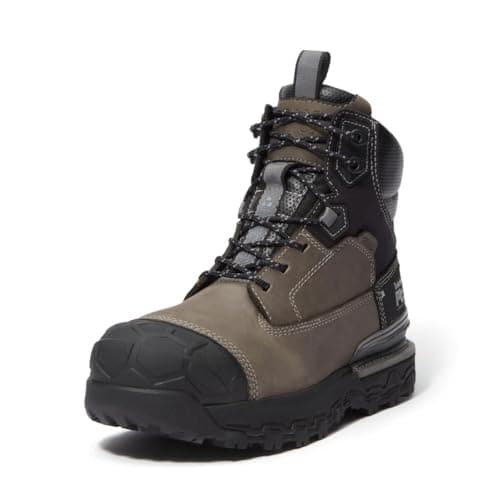
Timberland PRO Boondock Ultralight 6 in. with HoverSpring foam
See price on AmazonSee it on Amazon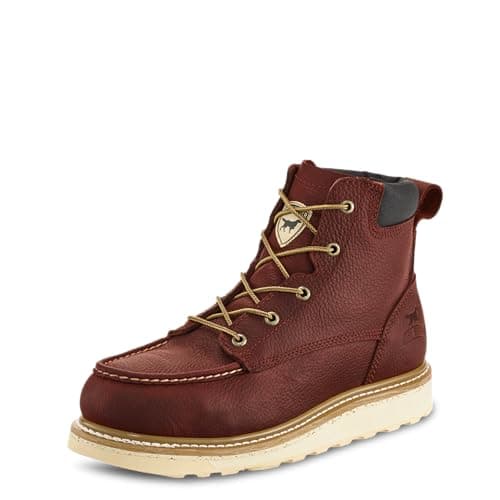
Irish Setter Ashby 6 in. aluminum toe, fully rated
See price on AmazonSee it on Amazon
New work boots, especially heavy leather and Goodyear welted ones, are stiff at first. A sensible break-in lets the leather soften and the footbed mold to your foot without blisters or a ruined boot. This page lays out a realistic schedule, the steps that help, the shortcuts that do more harm than good, and how to tell break-in discomfort from a boot that simply does not fit. It also covers steel toe boots, where one part never breaks in at all.
How long does it take to break in work boots?
It depends on the boot. Boots with soft leather or synthetic uppers and cemented soles often feel comfortable within a few days of regular wear. Thick full-grain leather boots with Goodyear welts and cork footbeds, such as many heritage and logger styles, often take a few weeks of regular wear before they feel fully broken in. Taller boots also take longer at the collar.
There is no fixed number that applies to every boot, and brands describe it differently. Use comfort as your guide: the boot is broken in when it flexes where your foot flexes, the collar no longer rubs, and you forget you are wearing it.
Before you start: confirm the fit
Break-in softens leather. It does not make a boot longer, add room under a safety cap or fix a heel that slides far up and down. Do the fit check in how should work boots fit before you wear the boots outside, while you can still return them. If your toes touch the safety cap on day one, see steel toe boots hurting toes instead of trying to break them in.
A realistic break-in schedule
If your work does not allow a gradual start, at least wear the new boots at home for a few days before the first shift and pack moleskin and spare socks.
- 1
Days 1 to 3: wear the boots at home for one to two hours a day, walking, climbing stairs and squatting.
- 2
Days 4 to 7: wear them for longer stretches at home or for part of a light shift, with your old boots on hand to swap into.
- 3
Week 2: wear them for half shifts or full shifts on lighter days, still swapping if hot spots appear.
- 4
Weeks 3 and on: full shifts. Heavy welted boots may keep improving for several more weeks.
- 5
At every stage, stop and adjust at the first hot spot rather than pushing through a blister.
Ways to speed it up safely
- Wear your real work socks. Moisture-wicking wool or synthetic socks reduce friction while the leather softens.
- Lace for the job. Snug at the ankle, slightly looser over the forefoot. A heel-lock lacing reduces rubbing. See how to lace work boots.
- Flex the boot by hand. Bending the toe box and working the ankle collar between wears helps stiff leather.
- Condition dry leather. A light coat of the conditioner the maker recommends can soften stiff leather. Do not overdo it, since too much can make some leathers too soft or darken them.
- Use protection early. Moleskin or blister tape on known hot spots, such as heels and the outside of the little toe.
- Alternate pairs. Rotating with an old pair gives your feet and the boots a rest.
Shortcuts that damage boots
Some popular tricks work by stressing the leather or the construction, and they can shorten the life of an expensive boot:
- Soaking boots in water and wearing them dry. It can over-soften leather, wash out oils, cause cracking as it dries and stress cemented soles. Many makers advise against it.
- Heat. Hair dryers, ovens, heaters or leaving boots by a fire can dry and crack leather and weaken adhesives.
- Hammering or bending the toe hard. It can crease leather badly and will not change a safety toe cap.
- Freezing water in bags inside the boot. Mainly stretches leather unpredictably and can soak the lining.
- Heavy oiling. Saturating leather can make it lose structure and support.
Note.Never try to heat, bend or hammer a steel or composite safety toe to make room. The cap does not break in, and altering it can destroy its protection.
Breaking in steel toe boots
Steel toe boots break in the same way as other boots, with one exception: the toe cap never changes shape. The leather around it softens and the flex point may settle, but if the cap presses on your toes, break-in will not fix it. Make sure your toes do not touch the cap before you start.
A common break-in complaint in safety boots is the back edge of the cap pressing across the toe joints as the boot flexes. Leather softening and a good heel lock often reduce this. If it does not ease after a couple of weeks, a different size or last is the fix. Brand-specific advice for one of the stiffest boots is in how to break in Red Wing boots.
Frequently asked questions
How do I break in work boots fast? Wear them for short sessions at home, flex them by hand, wear proper socks, lace them well and condition dry leather. Skip water soaking and heat.
Should new work boots hurt? Some stiffness and mild pressure are normal. Sharp pain, numb toes or toes touching the safety cap are signs of a fit problem.
Do insoles help with break-in? A supportive insole can make a stiff boot more comfortable, but it also takes up room. See how to choose insoles for work boots.
Which boots need the least break-in? Boots with softer uppers and cushioned soles usually do. See the most comfortable work boots and lightweight work boots guides.
What you need for this
- See price on AmazonAmazon
KEEN Utility Cincinnati 6-inch: carbon toe, Goodyear welt
From The most comfortable work boots, including safety toe picks
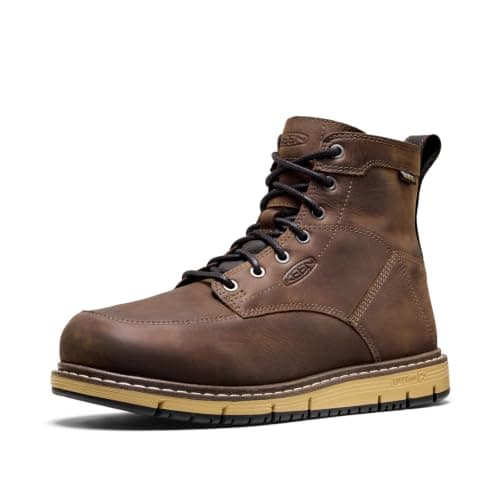 See price on AmazonAmazon
KEEN Utility San Jose 6-inch: aluminum toe, waterproof wedge
From Best lightweight work boots that keep the safety rating
 See price on AmazonAmazon
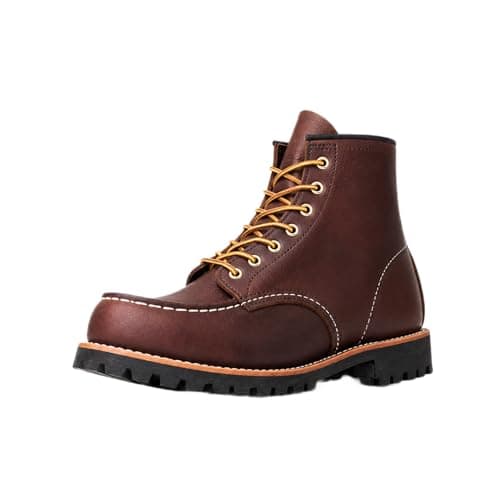
Red Wing Roughneck 8146: Vibram TC-4 lug, No. 23 last
From Best Red Wing work boots: Classic Moc, Iron Ranger, Roughneck and more