Explainer
6 inch vs 8 inch work boots: which height?
Published
Short answer
Choose 6 inch work boots if you want a lighter, more flexible boot for flat ground, warehouses, driving and warm weather. Choose 8 inch boots for uneven ground, ladders and mud, snow or debris, where the taller shaft gives more ankle support and keeps more out. The height does not change the toe protection; the safety ratings are on the ASTM label either way.
Boots for this job
All 7 picks compared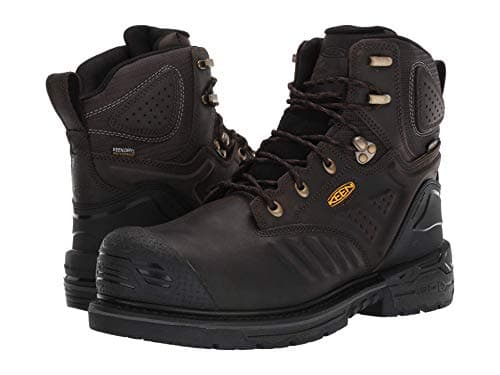
KEEN Utility Philadelphia 6" carbon toe, 572F heat sole
See price on AmazonSee it on Amazon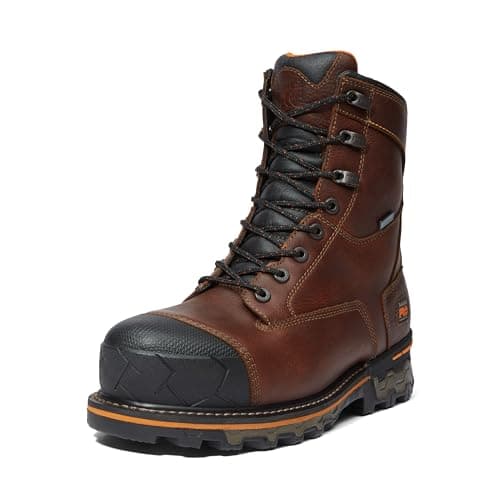
Timberland PRO Boondock 8" composite toe, puncture resistant
See price on AmazonSee it on Amazon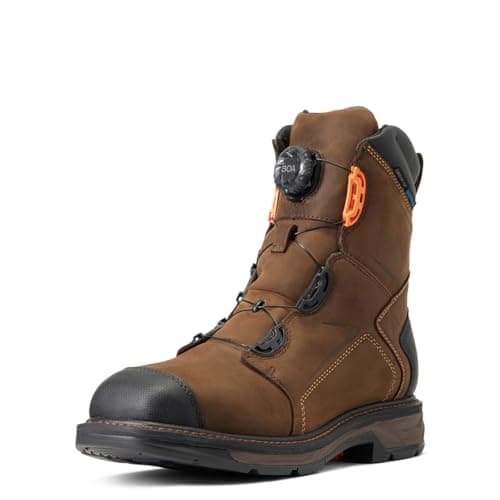
Ariat WorkHog XT 8" BOA, carbon toe, waterproof
See price on AmazonSee it on Amazon
Most work boot lines come in 6 inch and 8 inch versions of the same boot, and the price difference is usually small. The choice still matters for how the boot feels by the end of a shift. This page explains how shaft height is measured, what the extra two inches change in support, weight, heat and protection, and which trades tend to pick each height. Taller boots, such as 10 and 11 inch pull-ons and loggers, are covered briefly at the end.
How work boot height is measured
The number refers to the shaft height, roughly how tall the boot is from the bottom of the boot to the top of the collar. Brands measure it a little differently, some from the floor and some from where the upper meets the sole, so two "8 inch" boots from different brands may not be exactly the same height. Size matters too: a size 13 boot is a bit taller than a size 8 of the same model.
A 6 inch boot usually ends just above the ankle bone. An 8 inch boot covers the ankle and part of the lower shin. If the exact height matters, for example to fit under a particular pant or gaiter, check the brand's listed shaft measurement for your size.
6 inch vs 8 inch at a glance
The safety toe, EH rating, puncture plate and waterproofing are separate features. A 6 inch and 8 inch version of the same model usually share them, but check the label and listing for each height.
Ankle support
- 6 inch
- Moderate
- 8 inch
- More
Weight
- 6 inch
- Lighter
- 8 inch
- Heavier
Ankle flex
- 6 inch
- More freedom to bend
- 8 inch
- Stiffer at the ankle
Debris, snow and water over the top
- 6 inch
- Gets in more easily
- 8 inch
- Keeps more out
Heat
- 6 inch
- Cooler
- 8 inch
- Warmer
Lacing time
- 6 inch
- Faster
- 8 inch
- Slower, more eyelets or hooks
Break-in
- 6 inch
- Usually quicker
- 8 inch
- Can take longer at the collar
| Trait | 6 inch | 8 inch |
|---|---|---|
| Ankle support | Moderate | More |
| Weight | Lighter | Heavier |
| Ankle flex | More freedom to bend | Stiffer at the ankle |
| Debris, snow and water over the top | Gets in more easily | Keeps more out |
| Heat | Cooler | Warmer |
| Lacing time | Faster | Slower, more eyelets or hooks |
| Break-in | Usually quicker | Can take longer at the collar |
When a 6 inch boot is the better choice
Many people who stand on concrete all day prefer 6 inch boots for comfort, especially in wedge soles. A low shaft also makes it easier to pull pants over the boot.
- Warehouse, logistics and factory floors with flat, clean surfaces. See safety toe boots for warehouse work.
- Jobs with a lot of driving, kneeling or squatting, where a lower collar bends more easily.
- Hot weather and indoor work, where a taller shaft just adds heat.
- Anyone who wants the lightest practical boot. See the lightweight work boots guide.
- Moc toe and wedge sole styles, which are most common at 6 inches. See moc toe work boots.
When an 8 inch boot is the better choice
An 8 inch boot supports the ankle only if it is laced snugly through the upper eyelets or hooks. Leaving the top loose gives you the weight of a tall boot without the support. How to lace work boots covers lacing for heel lock and support.
- Uneven ground: construction sites, rebar, gravel, farm work and outdoor utility work. See construction work boots.
- Ladders, roofs and scaffolding, where extra ankle support helps on rungs and edges.
- Mud, snow, standing water and loose debris that would spill into a shorter boot.
- Cold weather, especially with insulated boots. See insulated work boots.
- Workers with a history of rolled ankles who want more support.
Steel toe 6 inch boots and other heights
Shaft height does not affect the toe cap. A steel toe 6 inch boot and a steel toe 8 inch boot of the same model normally carry the same I/75 C/75 rating. Pick height for your ground and weather, then confirm the ratings your job needs. See the best steel toe work boots.
Taller boots exist for specific work. 10 and 11 inch pull-on Wellingtons are common in welding, ranching and oil field work because there are no laces and they slip on fast; see what are Wellington work boots. Loggers and lineman boots often run 8 to 10 inches or more, with heavier heels for climbing and brush; see logger boots vs work boots.
How to choose between the two
- 1
Picture your ground for most of the day: flat and clean points to 6 inch, uneven or wet points to 8 inch.
- 2
Think about weather: hot and indoor points to 6, cold or snowy points to 8.
- 3
Count how often you kneel, squat or drive: often points to 6.
- 4
Check your ankle history: rolled ankles point to 8.
- 5
Try both heights of the same model if you can, with your work socks and pants.
Frequently asked questions
Are 8 inch work boots better than 6 inch? Not better, just different. They give more ankle support and protection from debris but weigh more and feel warmer.
Do 8 inch boots take longer to break in? Often a little, because the taller collar is stiff at first and can rub the lower shin. See how to break in work boots.
Is a 6 inch boot enough for construction? Many tradespeople wear 6 inch boots on site. On rough ground, ladders or wet sites, an 8 inch boot is the more common choice.
How much heavier is an 8 inch boot? It depends on the model. The extra leather and eyelets add some weight per boot; compare listed weights when the brand provides them.
What you need for this
- See price on AmazonAmazon
KEEN Utility Philadelphia 6-inch: carbon toe, 572 F outsole
From Best construction work boots for mud, rebar and ladders
 See price on AmazonAmazon
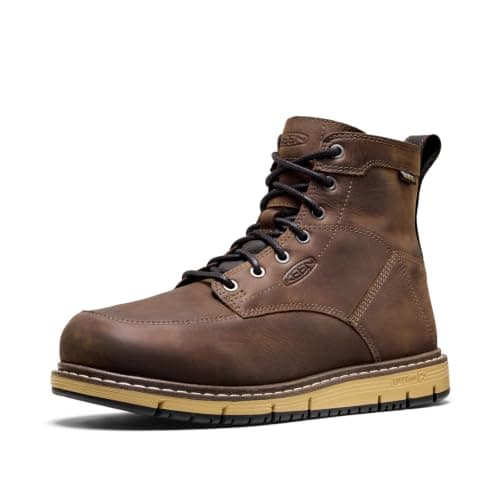
KEEN Utility San Jose 6-inch: aluminum toe, waterproof wedge
From Best lightweight work boots that keep the safety rating
 See price on AmazonAmazon
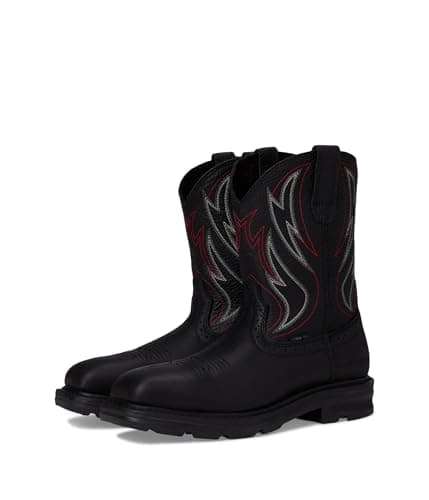
Sierra Shock Shield 10 in. steel toe, unlined
From Best steel toe work boots ranked on fit, build and resoleability
 See price on AmazonAmazon
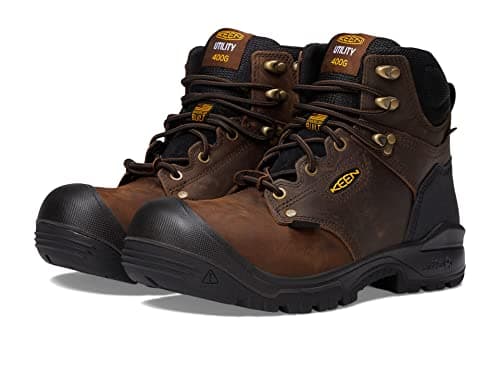
KEEN Utility Independence 6" 400G, rated to -40F
From Best insulated work boots for winter, by insulation weight