How-to
How to stretch steel toe boots
Published
Short answer
You can stretch the leather upper of a steel toe boot in width and at the instep with a boot stretcher, a leather stretch spray or a cobbler's stretching machine. You cannot stretch the steel cap, and you should never heat or force it. If your toes press on the cap or the end of the boot, the boot is too short or the cap is too low for your foot, and the real fix is a different size or model.
Boots for this job
All 7 picks compared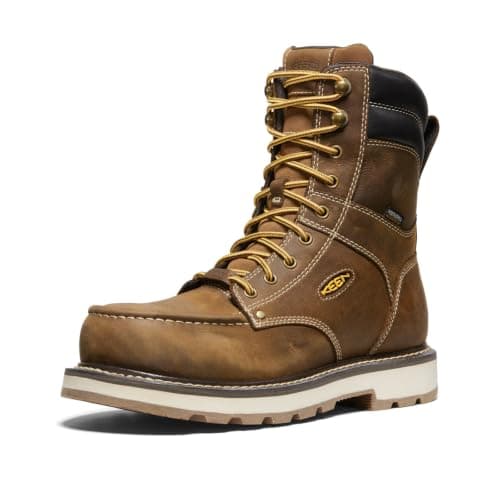
KEEN Utility Cincinnati 8-inch EE: asymmetrical carbon toe
See price on AmazonSee it on Amazon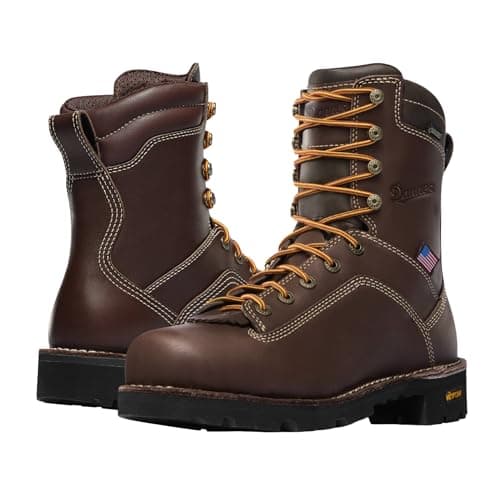
Danner Quarry USA 8-inch Wide: alloy toe, GORE-TEX
See price on AmazonSee it on Amazon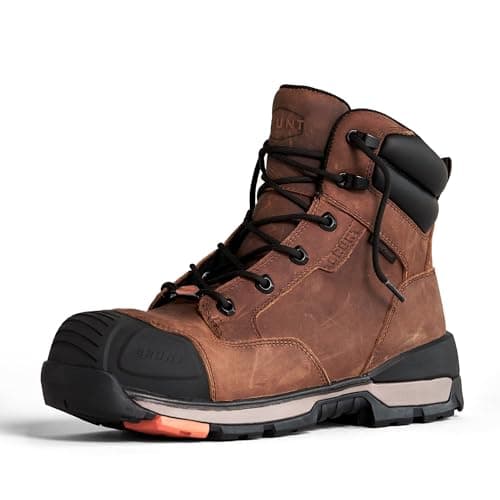
BRUNT Perkins: adjustable D to EE width, composite toe
See price on AmazonSee it on Amazon
New steel toe boots that feel tight are common, and leather does give. But the cap at the front is rigid by design, and that changes what stretching can and cannot do. This page explains which parts of a steel toe boot you can stretch, the safe ways to do it at home, when to hand the job to a cobbler, and when to stop and swap the boots. If the problem is pain at the toes, also read steel toe boots hurting toes.
What can and cannot be stretched
The cap is what makes the boot an ASTM F2413 safety boot. Changing its shape could affect the impact and compression protection the label promises. Any stretching should stay behind the cap, on the leather over the ball of the foot and the instep.
- 1Upper: leather or synthetic shell and lacing
- 2Toe cap: steel, alloy or composite
- 3Metatarsal guard zone: top of the foot behind the cap
- 4Insole: the footbed under your foot
- 5Midsole: cushioning and structure
- 6Shank: stiffens the arch for ladders and pegs
- 7Puncture plate: in PR rated boots
- 8Welt: strip the sole is stitched to
- 9Outsole: the tread, where EH and slip ratings live
- 10Heel: defined heel for climbing
Steel, alloy or composite toe cap
- Can you stretch it?
- No
- Notes
- Rigid by design; never heat, hammer or bend it
Leather upper behind the cap (vamp, ball of foot)
- Can you stretch it?
- Yes, a little
- Notes
- Width at the ball of the foot is the most common fix
Instep (top of the foot)
- Can you stretch it?
- Yes, a little
- Notes
- Also adjustable with lacing
Length
- Can you stretch it?
- No, in practice
- Notes
- Stretching does not add meaningful length
Synthetic or rubber uppers
- Can you stretch it?
- Very little
- Notes
- Leather responds best to stretching
| Part | Can you stretch it? | Notes |
|---|---|---|
| Steel, alloy or composite toe cap | No | Rigid by design; never heat, hammer or bend it |
| Leather upper behind the cap (vamp, ball of foot) | Yes, a little | Width at the ball of the foot is the most common fix |
| Instep (top of the foot) | Yes, a little | Also adjustable with lacing |
| Length | No, in practice | Stretching does not add meaningful length |
| Synthetic or rubber uppers | Very little | Leather responds best to stretching |
Find out where it is tight first
Put the boots on with your work socks, lace them as you would for work and stand for a few minutes. Notice where the pressure is. Pressure on the sides at the ball of the foot or on a bunion or little toe joint is a width problem and responds well to stretching. Pressure on top of the foot is an instep problem and can often be solved with lacing. Toes hitting the front or the back edge of the cap is a length or cap shape problem that stretching will not fix.
If the boot is new and unworn, compare the fit with the right size first. Our should you size up in work boots and how should work boots fit articles explain the checks.
How to stretch the width at home
Wearing the boots around the house with thick socks also helps leather mold to your foot over time. Conditioning stiff leather can make it more willing to give; see how to break in work boots.
- 1
Get a two-way boot stretcher sized for work boots. Some come with small plugs for pressure points.
- 2
Optionally mist the inside of the tight area with a leather stretch spray, following the product directions.
- 3
Insert the stretcher so the widening section sits at the ball of the foot, behind the cap.
- 4
Turn the handle until the leather is snug, then add a little more tension. Do not force it.
- 5
Leave it in for a day or two, then try the boots on.
- 6
Repeat in small steps until the pressure is gone.
Note.Do not use heat guns, hair dryers, ovens or boiling water. Heat can dry and crack leather, weaken adhesives in cemented soles and damage a waterproof membrane.
Fixing instep pressure with lacing
If the pressure is on top of your foot, try skipping the eyelet or hook over the sore spot, or use a window lacing pattern that leaves that section loose while the rest stays snug. You can also loosen the lower laces and lock the ankle with a surgeon's knot at the top hooks. Our how to lace work boots article shows these patterns.
If lacing does not help, a cobbler can stretch the instep on a machine. Cobblers can also spot-stretch a small area for a bunion, which is hard to do evenly at home.
When to stop and swap the boots
Stop stretching and exchange the boots if your toes touch the cap edge, the pain is at the tips of your toes, or the boot only feels right after stretching so far that the leather looks distorted. A boot that fights your foot will keep hurting. A wider width, a different last, or a broader toe box usually solves the problem.
Boots with roomier toe boxes are a good start; see best work boots for wide feet and most comfortable work boots. Composite caps are often thicker but can have a more generous shape; compare in composite toe vs steel toe.
Frequently asked questions
Can you stretch the steel toe part of a boot? No. The cap is rigid and should not be heated, hammered or bent. Only the leather behind it can be stretched.
Will a cobbler stretch steel toe boots? Many will stretch the leather in width or at the instep. They will not reshape the safety cap.
How long does it take to stretch work boots? With a stretcher, a day or two per session, repeated as needed. Wearing them in takes longer but molds the leather to your foot.
Do steel toe boots loosen up over time? The leather and insole loosen a little. The toe cap never does, so toe room must be right from the start.
What you need for this
- See price on AmazonAmazon
KEEN Utility Cincinnati 8-inch EE: asymmetrical carbon toe
From Best work boots for wide feet: EE, 3E and wide-fit safety boots
 See price on AmazonAmazon
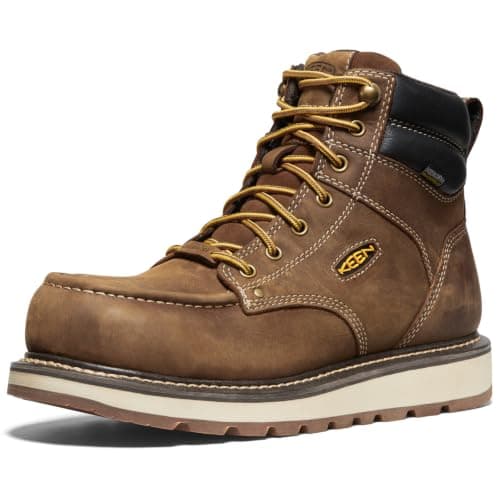
KEEN Utility Cincinnati 6-inch: carbon toe, Goodyear welt
From The most comfortable work boots, including safety toe picks
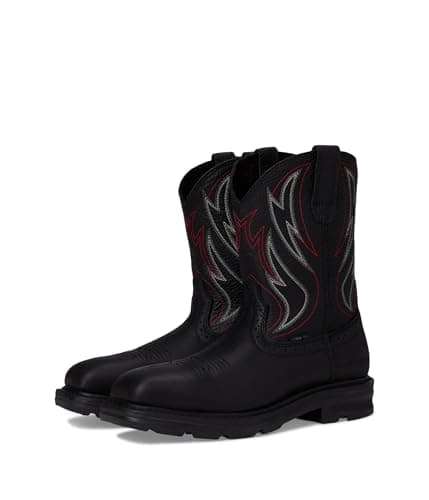 See price on AmazonAmazon
Sierra Shock Shield 10 in. steel toe, unlined
From Best steel toe work boots ranked on fit, build and resoleability