Explainer
Can you wear steel toe boots on a plane?
Published
Short answer
Yes. Steel toe boots are not banned from flights, and you can wear them or pack them. The issue is screening: a steel or aluminum alloy cap can set off a walk-through metal detector, which may lead to extra screening such as a pat-down. Composite toes contain no metal in the cap and usually cause less trouble, though shanks, eyelets and puncture plates can still contain metal.
Boots for this job
All 6 picks compared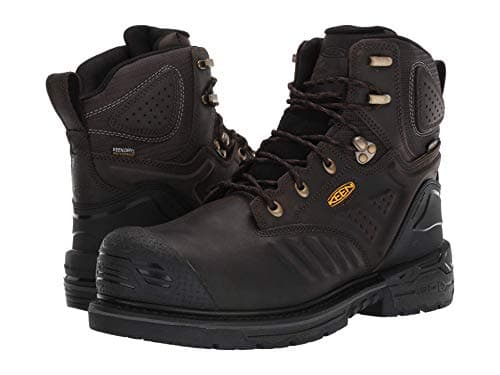
KEEN Utility Philadelphia 6-inch: carbon-fiber toe, EH
See price on AmazonSee it on Amazon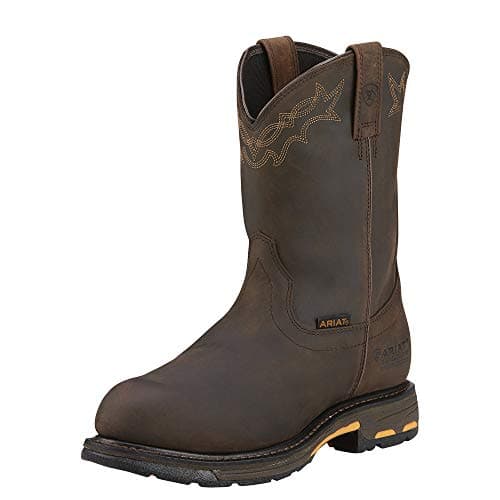
Ariat WorkHog waterproof: composite toe, EH, U-Turn entry
See price on AmazonSee it on Amazon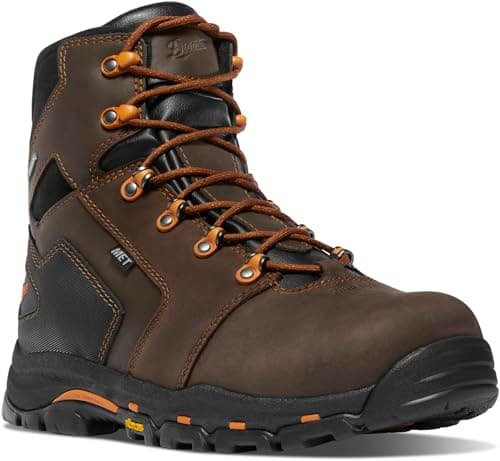
Danner Vicious 6-inch: composite toe, F2413-18 I/75 C/75 EH
See price on AmazonSee it on Amazon
Traveling workers, rotators and contractors often fly straight to a job site in their boots, or carry them in a bag. This page covers what happens at a US airport checkpoint with steel, alloy and composite toe boots, the choice between wearing and packing them, and a few habits that make screening quicker. TSA procedures change, so follow the instructions of the officers at your checkpoint and check the TSA website before you fly.
Are steel toe boots allowed on planes?
Footwear is not on TSA's list of prohibited items, and safety toe boots are no exception. You can wear them through the checkpoint, put them in your carry-on or pack them in checked baggage. Airlines also do not restrict them in the cabin.
What changes is how long screening takes. Walk-through metal detectors are designed to alarm on metal objects, and a steel cap is a sizable piece of metal near the floor. If you alarm, the officer will resolve it, which can mean walking through again, a hand-held wand, or a pat-down of your feet and lower legs. Boots that go through the X-ray machine are simply imaged like any other item.
Steel vs alloy vs composite toes at security
Composite caps meet the same ASTM F2413 I/75 and C/75 ratings as steel, so a frequent flyer who needs safety toes on site can switch without losing the core rating. Check the rest of the boot too: many boots have steel shanks, metal hooks and eyelets, or steel puncture plates. A "metal-free" boot uses composite or other non-metal parts throughout. Read more in composite toe vs steel toe, what are composite toe boots and our best composite toe work boots guide.
Steel
Metalthin wall, heaviest
Alloy
Metalthin wall, lighter
Composite
Non-metalthicker wall, lighter
Steel
- Contains metal?
- Yes
- At a walk-through metal detector
- Likely to alarm
Aluminum alloy
- Contains metal?
- Yes
- At a walk-through metal detector
- May alarm
Composite (carbon fiber, fiberglass, plastics)
- Contains metal?
- No, in the cap
- At a walk-through metal detector
- Usually not from the cap; metal shanks, eyelets or plates can still alarm
| Toe cap | Contains metal? | At a walk-through metal detector |
|---|---|---|
| Steel | Yes | Likely to alarm |
| Aluminum alloy | Yes | May alarm |
| Composite (carbon fiber, fiberglass, plastics) | No, in the cap | Usually not from the cap; metal shanks, eyelets or plates can still alarm |
Wear them or pack them?
Wearing boots saves bag space, which matters because work boots are heavy and bulky. The cost is time at the checkpoint, especially if you are asked to take them off or you alarm the detector. Lace-up boots take longer to remove than pull-ons, so a pull-on or wellington can be easier when shoes have to come off.
Packing boots in a checked bag avoids the checkpoint question entirely. If you pack them in a carry-on, they go through the X-ray like any other item. Stuff socks inside the boots to save space, and put them in a bag so dirt from the soles stays off your clothes.
If you are heading straight from the airport to a site induction, wearing the boots also means you cannot arrive without them if a checked bag is delayed. Many rotators wear their boots on the outbound trip for that reason and pack them for the trip home, when a delay matters less. Boots that are wet or caked in mud are better cleaned and dried first; see how to clean work boots and how to dry work boots.
Tips for getting through screening faster
Trusted traveler programs such as TSA PreCheck can make screening smoother for frequent flyers, but they do not change the fact that metal can trigger a detector.
- 1
Check the TSA website for current shoe screening rules before you leave home.
- 2
Wear easy-on boots or loosen laces before you reach the bins.
- 3
Tell the officer you are wearing safety toe boots if you are asked to walk through a metal detector.
- 4
Expect possible additional screening and leave extra time.
- 5
If you fly a lot for work, consider a composite toe boot with non-metal parts.
Note.Screening rules are set by TSA and can change. Officers have final say on how any item is screened.
Other places steel toes cause the same issue
Courthouses, federal buildings, stadiums, some secure plants and data centers use metal detectors too. If your work takes you through screening every day, the time adds up, and that is one of the most common reasons people move from steel to composite toe boots.
For daily work, choose the cap by the job rather than by the airport. Steel is common and affordable, while composite suits electrical work, cold weather and secure sites. Compare options in our best steel toe work boots and best lightweight work boots guides.
Frequently asked questions
Do steel toe boots set off metal detectors? Often, yes. A steel cap is enough metal to alarm many walk-through detectors. Composite toes do not, though other metal parts in the boot can.
Can I put steel toe boots in my carry-on? Yes. Boots are allowed in carry-on bags and go through the X-ray machine with the rest of your bag.
Will TSA make me take off my boots? That depends on current TSA procedures and the screening lane. Follow the officer's instructions, and wear boots that are quick to remove just in case.
Are composite toe boots TSA friendly? Composite caps contain no metal, so they are less likely to alarm a metal detector. Check that the shank, eyelets and plate are also non-metal if you want to avoid alarms.
What you need for this
- See price on AmazonAmazon
KEEN Utility Philadelphia 6-inch: carbon toe, 572 F outsole
 See price on AmazonAmazon
Sierra Shock Shield 10 in. steel toe, unlined
From Best steel toe work boots ranked on fit, build and resoleability
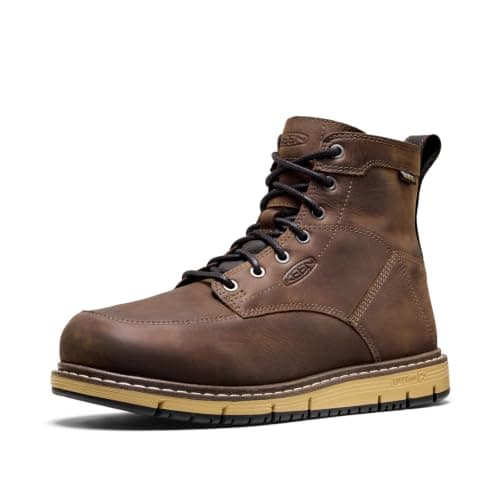 See price on AmazonAmazon
KEEN Utility San Jose 6-inch: aluminum toe, waterproof wedge
From Best lightweight work boots that keep the safety rating