Comparison
Work boots vs hiking boots
Published
Short answer
Work boots are built for protection and long hours on a jobsite: safety toes, EH ratings, stiffer shanks and heavier leather. Hiking boots are built for light weight, flex and grip on trails, and usually have no safety rating. You can hike in a work boot, especially a hiker-style safety boot with a lug sole, but it will be heavier. A hiking boot cannot replace a work boot where a safety toe is required.
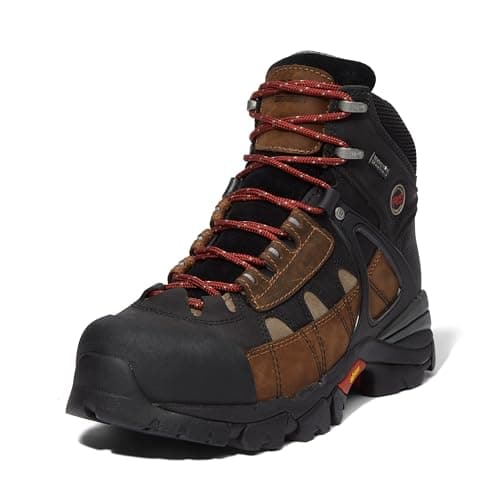
Timberland PRO
Timberland PRO Hyperion 6" alloy toe hiker
See price on Amazon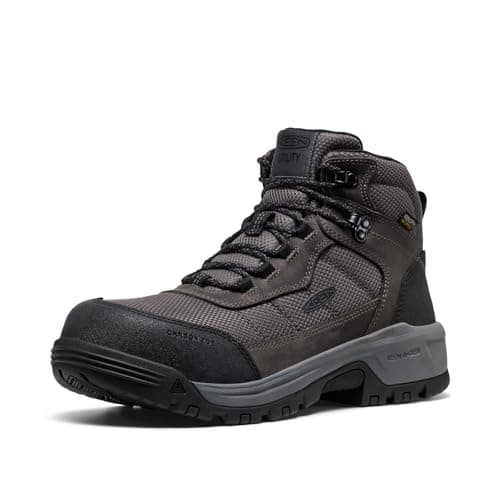
KEEN Utility
KEEN Utility Skokie mid: carbon toe hiker, met, EH
See price on Amazon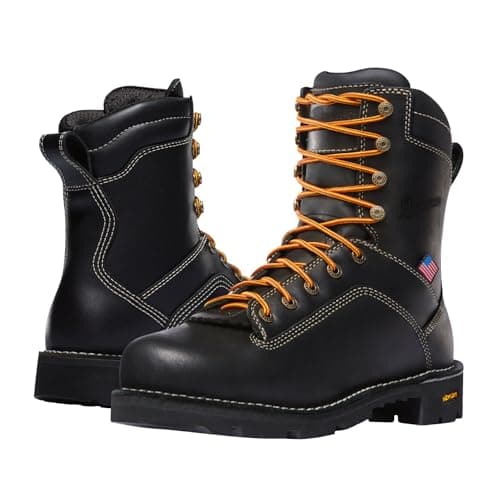
Danner
Danner Quarry USA 8-inch: GORE-TEX, alloy toe, Vibram
See price on Amazon
- Timberland PRO Hyperion 6" alloy toe hiker
- Safety toe
- Alloy
- Waterproof
- Yes, ASTM F1671-07
- KEEN Utility Skokie mid: carbon toe hiker, met, EH
- Safety toe
- Carbon composite, F2413-18 M I/75 C/75 MT/75
- Waterproof
- Yes
- Danner Quarry USA 8-inch: GORE-TEX, alloy toe, Vibram
- Safety toe
- Alloy, ASTM F2413-11 I/75 C/75 EH
- Waterproof
- -
| Pick | Safety toe | Waterproof | Price | Link |
|---|---|---|---|---|
| Timberland PRO Hyperion 6" alloy toe hiker | Alloy | Yes, ASTM F1671-07 | - | Amazon |
| KEEN Utility Skokie mid: carbon toe hiker, met, EH | Carbon composite, F2413-18 M I/75 C/75 MT/75 | Yes | - | Amazon |
| Danner Quarry USA 8-inch: GORE-TEX, alloy toe, Vibram | Alloy, ASTM F2413-11 I/75 C/75 EH | - | - | Amazon |
Facts are taken from each Amazon listing. Prices are checked daily and shown with their date.
Verdict
If you want one boot for the jobsite and light trails, the Timberland PRO Hyperion Alloy Toe Hiker with its Vibram outsole is the closest crossover, and the KEEN Utility Skokie suits those who also need a metatarsal rating. For heavy, wet jobsite work the Danner Quarry is the stronger work tool, but keep a dedicated hiking boot for long hikes.
This page is for anyone wondering whether one pair of boots can cover both the jobsite and the trail. We compare work boots and hiking boots on weight, sole design, stiffness, heels and ratings, and explain when one can stand in for the other. Our product guides focus on work boots, so the products here are hiker-style safety toe work boots and a classic work boot for contrast. We do not have dedicated hiking boot listings in our guides, so we do not quote specs for any specific hiking boot.
What each boot is designed to do
A work boot is designed to protect your feet for a full shift. Depending on the model, that can mean a safety toe tested to ASTM F2413, an EH rating, puncture resistance, a metatarsal guard, oil and slip resistant outsoles, and heavy leather that stands up to abrasion. Many have a stiff shank so you can stand on ladder rungs and shovels. Our guide on what makes a good work boot goes deeper.
A hiking boot is designed to move over natural ground for hours while staying light and flexible. Hiking boots usually focus on grip on rock and dirt, a sole that flexes with your stride, and support for carrying a pack. Most have no safety toe and no ASTM safety rating.
- 1Upper: leather or synthetic shell and lacing
- 2Toe cap: steel, alloy or composite
- 3Metatarsal guard zone: top of the foot behind the cap
- 4Insole: the footbed under your foot
- 5Midsole: cushioning and structure
- 6Shank: stiffens the arch for ladders and pegs
- 7Puncture plate: in PR rated boots
- 8Welt: strip the sole is stitched to
- 9Outsole: the tread, where EH and slip ratings live
- 10Heel: defined heel for climbing
Key differences side by side
These are general differences between the two categories. Individual boots vary, and hiker-style work boots sit in between.
Safety toe
- Work boot
- Common, ASTM F2413 rated
- Hiking boot
- Usually none
EH rating
- Work boot
- Common
- Hiking boot
- Usually none
Weight
- Work boot
- Heavier
- Hiking boot
- Lighter
Sole stiffness
- Work boot
- Often stiff, with shank
- Hiking boot
- More flexible
Outsole
- Work boot
- Oil and slip resistant lugs or wedge
- Hiking boot
- Trail lugs for rock and dirt
Heel
- Work boot
- Defined heel or wedge, some built for ladders
- Hiking boot
- Defined heel for descents
Uppers
- Work boot
- Thick leather, built for abrasion
- Hiking boot
- Leather, synthetics and mesh
| Factor | Work boot | Hiking boot |
|---|---|---|
| Safety toe | Common, ASTM F2413 rated | Usually none |
| EH rating | Common | Usually none |
| Weight | Heavier | Lighter |
| Sole stiffness | Often stiff, with shank | More flexible |
| Outsole | Oil and slip resistant lugs or wedge | Trail lugs for rock and dirt |
| Heel | Defined heel or wedge, some built for ladders | Defined heel for descents |
| Uppers | Thick leather, built for abrasion | Leather, synthetics and mesh |
Can you use work boots for hiking
Yes, with limits. A lace-up work boot with a lug sole and a defined heel can handle easy and moderate trails. The extra weight and stiffness will tire your legs faster on long or steep hikes, and a safety toe adds weight at the front.
Wedge soles are the poor choice for trails. They are made for flat surfaces like concrete and give less grip on loose dirt, wet roots and steep descents. Logger boots with tall heels are also awkward on long walks. See our sole and heel explainer.
Hiker-style work boots are the best overlap. They use a hiking-type upper and lug sole with a safety toe and work ratings. The Timberland PRO Hyperion and KEEN Utility Skokie below are examples. They are still work boots first, so expect more weight than a true hiking boot.
Wedge
Heel height: flat, about 1 inch
Even support on concrete and floors. The flat bottom gives a ladder rung little to catch on.
Lug, defined heel
Heel height: about 1 to 1.5 inches
Deep tread for loose ground. The front edge of the heel holds a ladder rung.
Logger heel
Heel height: about 2 inches, angled
Tall, angled heel for climbing, poles and steep ground. Less stable on flat concrete.
Can you wear hiking boots for work
Only where your job does not require safety footwear. Hiking boots are fine for light outdoor work such as surveying or landscaping where there is no impact, compression or electrical hazard and no rule requiring a safety toe.
If your employer requires ASTM F2413 safety toes or EH footwear, a hiking boot does not meet that. Read when safety toe boots are required to check your situation.
Hiking boots also tend to wear out faster on concrete, rebar and gravel, and their softer outsoles are not usually rated for oil and slip resistance.
Note.A boot only meets a safety requirement if the label says so. If your site requires safety toes or EH, check the tongue or shaft label before you wear a boot to work.
Three boots compared from their listings
These boots come from our guides. Two are hiker-style safety toe work boots that can cross over to light trail use. The third, the Danner Quarry, is a heavier traditional work boot for contrast. Every spec comes from the listing.
Timberland PRO Hyperion 6-inch XL Alloy Toe Hiker
- Toe
- Alloy, ASTM F2413-18 I and C
- Waterproof
- Yes, membrane
- Outsole
- Vibram, medium-soft compound for rock-based terrain
- Other listed features
- Anti-fatigue footbed, Ever-Guard leather
KEEN Utility Skokie Hiker Style Mid
- Toe
- Carbon composite, F2413-18 M I/75 C/75 MT/75 EH
- Waterproof
- Yes
- Outsole
- Oil and chemical resistant
- Other listed features
- Leather upper, mesh lining, lace-up
Danner Quarry 8-inch Alloy Safety Toe
- Toe
- Alloy, F2413-11 I/75 C/75 EH
- Waterproof
- Yes, Gore-Tex
- Outsole
- Vibram Quarry with heel
- Other listed features
- Stitchdown, recraftable, made in America
| Boot | Toe | Waterproof | Outsole | Other listed features |
|---|---|---|---|---|
| Timberland PRO Hyperion 6-inch XL Alloy Toe Hiker | Alloy, ASTM F2413-18 I and C | Yes, membrane | Vibram, medium-soft compound for rock-based terrain | Anti-fatigue footbed, Ever-Guard leather |
| KEEN Utility Skokie Hiker Style Mid | Carbon composite, F2413-18 M I/75 C/75 MT/75 EH | Yes | Oil and chemical resistant | Leather upper, mesh lining, lace-up |
| Danner Quarry 8-inch Alloy Safety Toe | Alloy, F2413-11 I/75 C/75 EH | Yes, Gore-Tex | Vibram Quarry with heel | Stitchdown, recraftable, made in America |
How to choose
If you need safety ratings at work and want one boot for weekend trails too, look at hiker-style safety toe boots with lug outsoles and a composite or alloy toe. They cut weight compared with a heavy leather work boot. Our lightweight work boot guide and warehouse boot guide include several.
If you hike a lot or carry a pack on long trips, buy a dedicated hiking boot for the trail and keep your work boots for work. If your work is heavy, wet or rough, a traditional work boot like the Quarry is the better tool, even if it is heavier.
- Need safety toe at work and light weekend hikes: hiker-style safety boot
- Long or steep hikes: dedicated hiking boot
- Heavy jobsite with no trail use: traditional work boot
- Avoid wedge soles and logger heels for trails
Frequently asked questions
Can work boots be used for hiking? Yes for easy and moderate trails if they have a lug sole and defined heel. They are heavier and stiffer than hiking boots, so long hikes will be more tiring.
Are hiking boots OK for construction? Not where safety toes or EH footwear are required. Most hiking boots carry no ASTM F2413 rating.
What is a hiker-style work boot? A work boot with the look and lug sole of a hiking boot plus work features such as a safety toe and EH rating. The Timberland PRO Hyperion and KEEN Utility Skokie are examples.
Are steel toe boots bad for hiking? A steel toe adds weight at the front, which you feel on long walks. A composite or alloy toe is lighter if you need a safety toe.
What you need for this
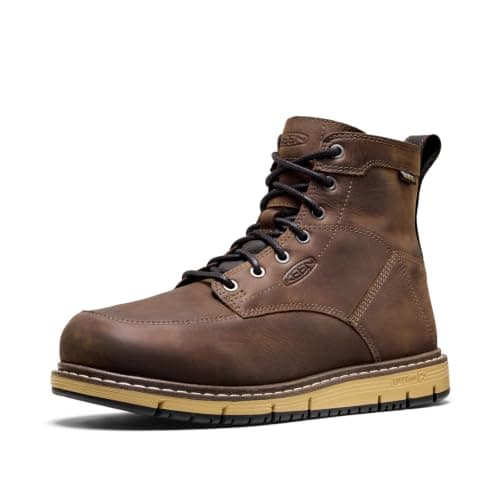 See price on AmazonAmazon
KEEN Utility San Jose 6-inch: aluminum toe, waterproof wedge
From Best lightweight work boots that keep the safety rating
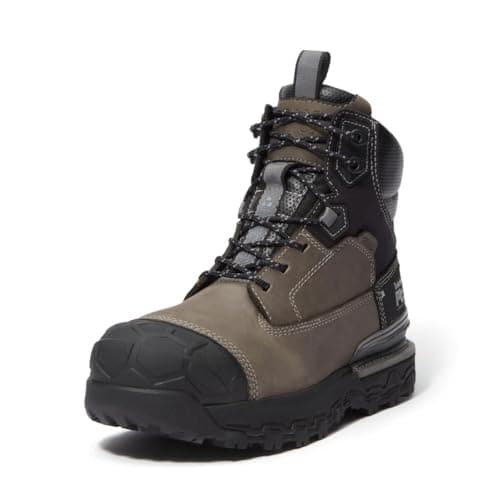 See price on AmazonAmazon
Timberland PRO Boondock Ultralight 6-inch: composite toe
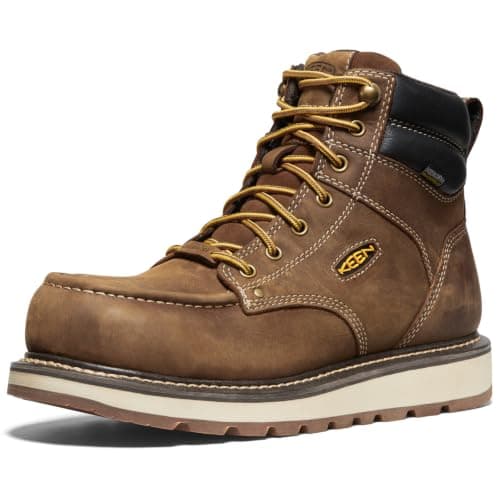 See price on AmazonAmazon
KEEN Utility Cincinnati 6-inch: carbon toe, Goodyear welt
From Best waterproof work boots for rain, mud and wet concrete