Explainer
Do employers have to pay for safety boots?
Published
Short answer
Usually not for ordinary steel toe boots. OSHA requires employers to pay for most required PPE, but 29 CFR 1910.132(h)(2) exempts non-specialty safety toe footwear, including steel toe shoes and boots, as long as the employer lets workers wear them off the job site. Employers must still require safety footwear where hazards exist, and state law, union contracts or company policy can require them to pay or give a boot allowance.
Boots for this job
All 6 picks compared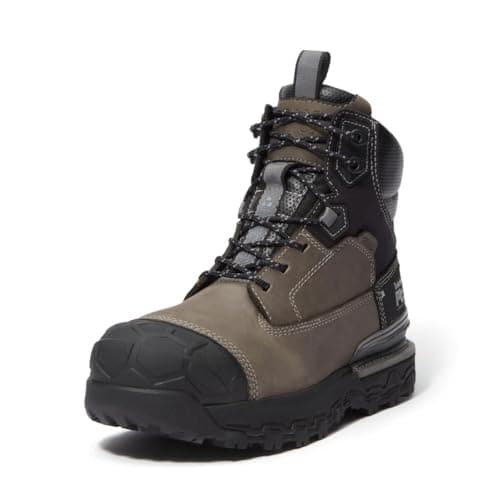
Timberland PRO Boondock Ultralight 6-inch: composite toe
See price on AmazonSee it on Amazon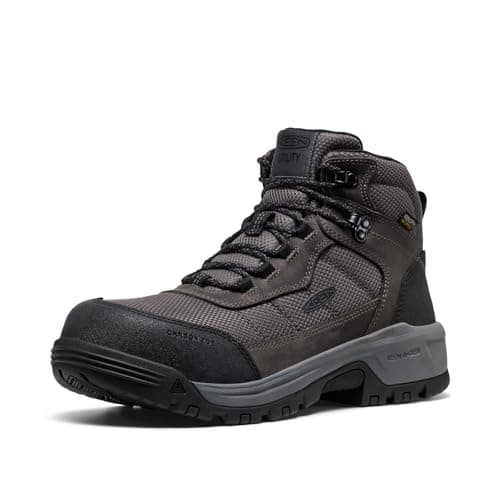
KEEN Utility Skokie mid: carbon toe hiker, met, EH
See price on AmazonSee it on Amazon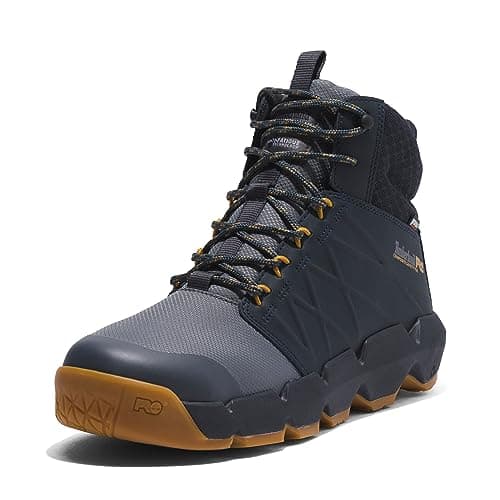
Timberland PRO Morphix 6-inch: composite toe sneaker boot
See price on AmazonSee it on Amazon
If your new job requires steel toe boots, you may wonder who is supposed to pay for them. The federal answer is in two OSHA rules: 1910.136, which says when protective footwear is required, and 1910.132(h), which says who pays for PPE. This page explains both in plain terms, covers the exceptions, and lists what to ask your employer. It is general information, not legal advice. For specific disputes, contact OSHA, your state plan or your union.
When OSHA requires safety footwear
Under 29 CFR 1910.136(a), employers must make sure each affected employee uses protective footwear when working in areas where there is a danger of foot injuries from falling or rolling objects, objects piercing the sole, or where feet are exposed to electrical hazards. The employer identifies these hazards through the PPE hazard assessment required by 1910.132(d).
Under 1910.136(b), the footwear must meet ASTM F2412-2005 and F2413-2005, or a consensus standard shown to be at least as effective, or be built to provide equal protection. In practice that means a boot carrying an ASTM F2413 label. See ASTM F2413 markings explained and when are safety toe boots required for more detail.
The general rule: employers pay for required PPE
OSHA's PPE payment rule, 29 CFR 1910.132(h)(1), says that, with listed exceptions, the protective equipment used to comply with OSHA standards must be provided by the employer at no cost to employees. That covers things like hard hats, safety glasses, hearing protection and many kinds of gloves when the employer requires them for hazard protection.
The same rule also says employers must pay for replacement PPE, except when the employee has lost or intentionally damaged it. Footwear is the main area where the general rule has exceptions.
The safety toe footwear exception
1910.132(h)(2) says the employer is not required to pay for non-specialty safety toe protective footwear, including steel toe shoes or boots, and non-specialty prescription safety eyewear, provided the employer permits these items to be worn off the job site. The idea is that ordinary safety toe boots are personal items many workers wear to and from work and in daily life.
The exception depends on that condition. If the employer requires the boots to stay at the workplace, the exception does not apply as written. And the exception covers non-specialty footwear only. Boots that are special to the job and not suited for wear away from it are treated differently.
Ordinary steel, alloy or composite toe boots, wearable off site
- Usual rule
- Employer not required to pay
- Where it comes from
- 1910.132(h)(2)
Specialty protective footwear required by the employer
- Usual rule
- Employer generally pays
- Where it comes from
- 1910.132(h)(1)
Boots with built-in metatarsal protection when the employer provides met guards and the worker chooses the boots instead
- Usual rule
- Employer not required to reimburse the boots
- Where it comes from
- 1910.132(h)(3)
Logging boots required by 1910.266(d)(1)(v)
- Usual rule
- Employer not required to pay
- Where it comes from
- 1910.132(h)(4)
Replacement PPE (non-exempt items)
- Usual rule
- Employer pays unless lost or intentionally damaged by the employee
- Where it comes from
- 1910.132(h)(5)
| Footwear | Usual rule | Where it comes from |
|---|---|---|
| Ordinary steel, alloy or composite toe boots, wearable off site | Employer not required to pay | 1910.132(h)(2) |
| Specialty protective footwear required by the employer | Employer generally pays | 1910.132(h)(1) |
| Boots with built-in metatarsal protection when the employer provides met guards and the worker chooses the boots instead | Employer not required to reimburse the boots | 1910.132(h)(3) |
| Logging boots required by 1910.266(d)(1)(v) | Employer not required to pay | 1910.132(h)(4) |
| Replacement PPE (non-exempt items) | Employer pays unless lost or intentionally damaged by the employee | 1910.132(h)(5) |
Metatarsal guards and other specialty footwear
Metatarsal protection is the most common specialty case. When an employer requires metatarsal protection, it must provide it, often as strap-on guards that fit over a regular safety boot. If the employer provides those guards and an employee asks to wear boots with built-in metatarsal protection instead, the employer does not have to reimburse the boots. Our internal vs external metatarsal guards article explains the two designs, and best metatarsal guard boots lists boots with built-in guards.
Other specialty items, such as rubber boots with steel toes used for chemical or wet process work, are judged case by case. Whether a given boot counts as specialty is a question for your employer, your union rep or OSHA, not for a boot seller.
State rules, union contracts and boot allowances
Federal OSHA sets a floor. Many states run their own OSHA-approved state plans, and those can have rules at least as effective as the federal ones. Some state labor laws also limit charging employees for required work equipment. Union contracts often include an annual boot allowance or a voucher program with a boot supplier, and many non-union employers offer one as a benefit.
If your employer does not pay, check your offer letter, handbook or contract for a boot allowance, and ask HR whether boots are reimbursed. Keep receipts. If you are buying with your own money, our how much do work boots cost article and the best safety toe boots for warehouse work guide can help you spend wisely.
- 1
Ask which ASTM ratings the job requires: safety toe only, or also EH, PR or Mt.
- 2
Ask if the company pays, reimburses, or gives a boot allowance or voucher.
- 3
Ask whether you may wear the boots off site.
- 4
Keep your receipt and a photo of the ASTM label.
Frequently asked questions
Does my employer have to buy my steel toe boots? Under federal OSHA rules, not if they are ordinary safety toe boots you are allowed to wear off the job. Your state, contract or company policy may still require payment or an allowance.
Do employers have to provide metatarsal boots? If they require metatarsal protection, they must provide it at no cost, often as strap-on guards. If you choose boots with built-in met guards instead of the provided guards, they do not have to reimburse you.
Can an employer make me buy specific boots? An employer can set the ratings boots must meet, such as ASTM F2413 with EH. Whether they can require a specific brand at your expense depends on state law and your agreement.
Who pays when safety boots wear out? For exempt non-specialty safety toe boots, usually the employee. For PPE the employer must provide, the employer pays for replacements unless the item was lost or intentionally damaged.
What you need for this
- See price on AmazonAmazon
Timberland PRO Boondock Ultralight 6-inch: composite toe
 See price on AmazonAmazon
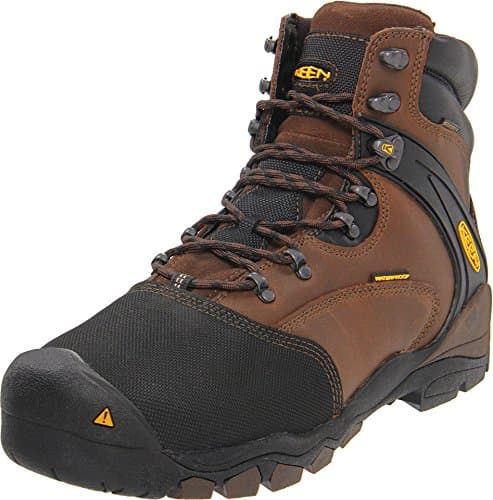
KEEN Utility Louisville 6 in. with Mt/75 internal met guard
From Best metatarsal guard work boots: internal and external met guards
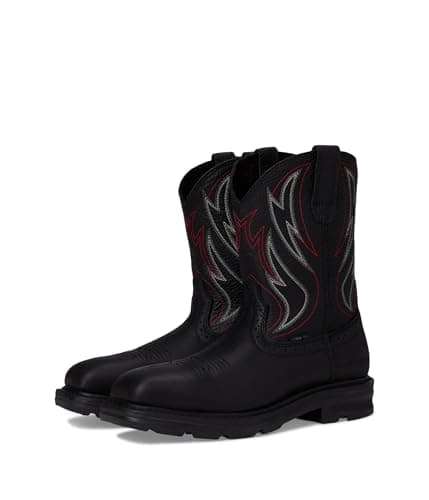 See price on AmazonAmazon
Sierra Shock Shield 10 in. steel toe, unlined
From Best steel toe work boots ranked on fit, build and resoleability