Explainer
Puncture resistant work boots explained
Published
Short answer
A puncture resistant (PR) boot has a plate built into the sole that has passed the ASTM F2413 puncture test, which requires the sole to resist a test pin pushed with 270 pounds of force. A steel toe alone does not make a boot puncture proof. Look for PR on the label if you work around nails, screws, rebar or scrap.
Boots for this job
All 7 picks compared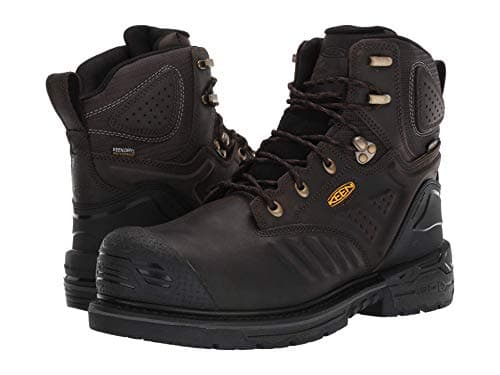
KEEN Utility Philadelphia 6" carbon toe, 572F heat sole
See price on AmazonSee it on Amazon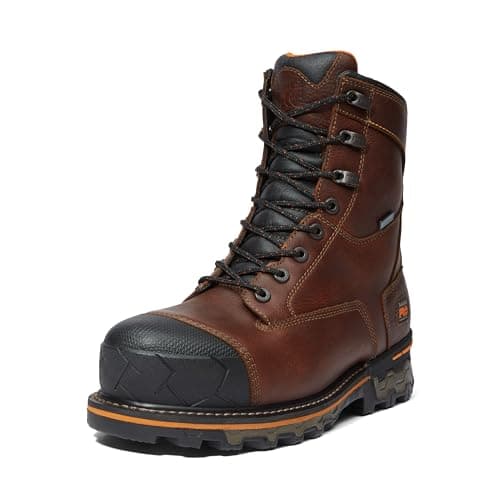
Timberland PRO Boondock 8" composite toe, puncture resistant
See price on AmazonSee it on Amazon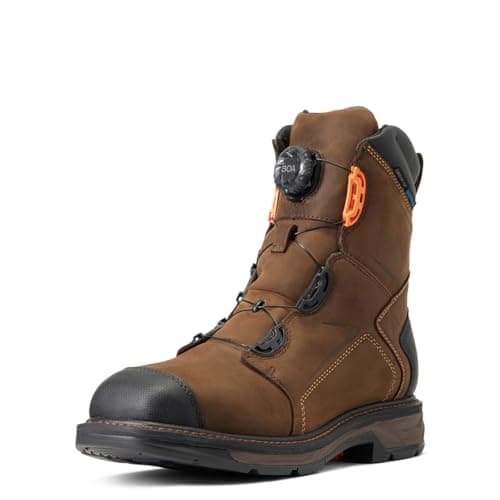
Ariat WorkHog XT 8" BOA, carbon toe, waterproof
See price on AmazonSee it on Amazon
Stepping on a nail through a boot sole is one of the most common foot injuries on construction and demolition sites. This page is for workers trying to decide whether they need a puncture resistant boot and what kind. We explain the PR marking, how the test works, the difference between steel and fabric plates, why a steel toe does not cover the bottom of your foot, and which jobs make a PR plate worth the trade-offs in weight and flex.
What PR on the label means
PR stands for puncture resistant. It is one of the optional protective marks in ASTM F2413, printed on the boot label next to ratings like EH or Mt. To carry it, the boot has a puncture resistant plate built into the sole, and the sole must pass the standard's puncture test. Our ASTM F2413 label decoder will show you where PR sits on your label.
The plate is usually sandwiched between the insole and the outsole, often running from heel to toe. You cannot see it from the outside, so the label or listing is the only reliable way to know a boot has one.
- 1Upper: leather or synthetic shell and lacing
- 2Toe cap: steel, alloy or composite
- 3Metatarsal guard zone: top of the foot behind the cap
- 4Insole: the footbed under your foot
- 5Midsole: cushioning and structure
- 6Shank: stiffens the arch for ladders and pegs
- 7Puncture plate: in PR rated boots
- 8Welt: strip the sole is stitched to
- 9Outsole: the tread, where EH and slip ratings live
- 10Heel: defined heel for climbing
How the puncture test works
In the test, a steel pin of a set size is pushed into the sole. The sole must resist 270 pounds of force (1,200 newtons) without the pin breaking through. Like the other F2413 tests, this is done on new footwear in the lab.
Real world punctures can differ from the test. A nail at an angle, a very thin sharp object or a repeated step on the same spot are not the same as a steady test pin. PR lowers the risk a great deal, but it is not a guarantee against every object.
Note.A boot that has been punctured, even partly, should be inspected and usually replaced. If you work in EH boots, a puncture can also defeat the electrical hazard protection.
Steel toe does not mean puncture proof
This is the most common mix up. A steel, alloy or composite toe cap protects the top and front of the toes against impact and compression. It does nothing for the bottom of the foot. Unless the label also shows PR, a steel toe boot has no puncture protection in the sole.
Some boots have a steel shank in the arch. A shank adds stiffness for support on ladders and rungs, but it only covers a narrow strip in the middle and is not a puncture plate.
Steel plates vs fabric plates
PR plates come in two main types. Steel plates are the traditional option. Non-metallic plates are made from layered high strength fabric and are common in composite toe and metal free boots.
Both types must pass the same test to carry the PR mark. Choose based on comfort, weather and whether you need a metal free boot.
Flexibility
- Steel plate
- Stiffer
- Non-metallic fabric plate
- More flexible
Weight
- Steel plate
- Heavier
- Non-metallic fabric plate
- Lighter
Coverage
- Steel plate
- Often stops short of the sole edges
- Non-metallic fabric plate
- Often runs closer to the edges
Cold transfer
- Steel plate
- Conducts cold
- Non-metallic fabric plate
- Insulates better
Metal detectors
- Steel plate
- Will trigger
- Non-metallic fabric plate
- Metal free
Rating
- Steel plate
- Must pass the same F2413 PR test
- Non-metallic fabric plate
- Must pass the same F2413 PR test
| Steel plate | Non-metallic fabric plate | |
|---|---|---|
| Flexibility | Stiffer | More flexible |
| Weight | Heavier | Lighter |
| Coverage | Often stops short of the sole edges | Often runs closer to the edges |
| Cold transfer | Conducts cold | Insulates better |
| Metal detectors | Will trigger | Metal free |
| Rating | Must pass the same F2413 PR test | Must pass the same F2413 PR test |
Jobs where PR is worth it
OSHA 1910.136 requires protective footwear where there is a danger of objects piercing the sole. Your employer's hazard assessment decides when that applies, but these are the usual situations:
If you work on concrete slab most of the day, a flexible PR plate paired with a cushioned sole helps with fatigue. See the best work boots for concrete and the best construction work boots.
- Framing, roofing tear-off and demolition, where nails and screws are everywhere.
- Concrete and rebar work, where tie wire and rebar ends are on the ground.
- Scrap yards, recycling and waste handling.
- Disaster cleanup and storm debris removal.
- Pallet and crate handling where broken boards expose nails.
Trade-offs to know before you buy
A PR plate adds some weight and stiffness. Many workers do not notice it after break in, but if you kneel, climb or need a very flexible forefoot, try the boot on and flex it at the ball of the foot. Also check that the insole you plan to use does not crowd the toe box, since the plate takes up a little room.
If you also need electrical hazard protection, look for boots labeled both PR and EH. They are common. For lighter options, see the best lightweight work boots.
Frequently asked questions
Are steel toe boots puncture proof? No. A steel toe protects the toes from above and the front. Only a boot with a PR plate, marked PR on the label, has tested puncture protection in the sole.
Can I add a puncture resistant insole? Aftermarket puncture resistant insoles exist, but a removable insole is not the same as a boot certified PR under ASTM F2413. If your job requires PR, buy a boot with the mark.
Is a fabric PR plate as safe as steel? Both must pass the same 270 pound F2413 puncture test to carry the PR mark. They differ in flex, weight and coverage.
Do PR boots work with EH ratings? Yes, many boots carry both. Just remember any puncture that reaches through the sole can also compromise the EH protection.
What you need for this
- See price on AmazonAmazon
KEEN Utility Philadelphia 6-inch: carbon toe, 572 F outsole
From Best construction work boots for mud, rebar and ladders
 See price on AmazonAmazon
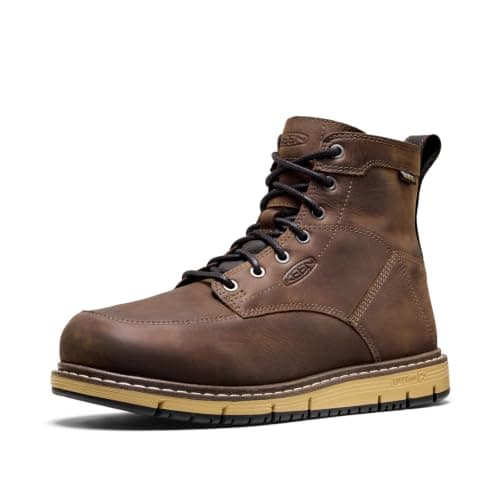
KEEN Utility San Jose 6-inch: aluminum toe, waterproof wedge
From Best work boots for concrete and standing on slab all shift